Alcor Exchange isn’t another DeFi platform trying to copy Uniswap. It’s something more specific - a multi-chain decentralized exchange built for users who trade across EOS, WAX, Telos, and Ultra blockchains. If you’re already deep into the EOSIO ecosystem, Alcor might be the only DEX you’ll ever need. But if you’re new to crypto or expecting a Coinbase-like experience, you’ll quickly hit walls. Let’s cut through the noise and show you exactly what Alcor does, who it’s for, and where it falls short.
How Alcor Works - No Custody, No Middleman
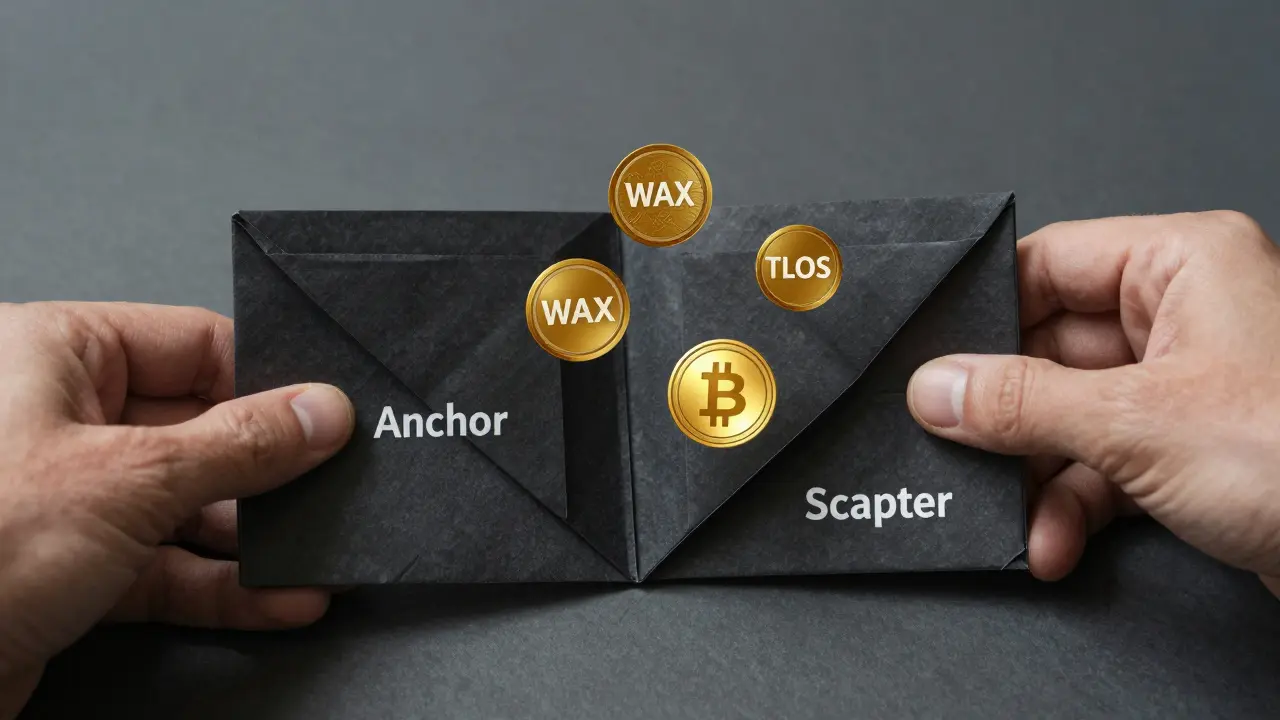
Alcor doesn’t hold your coins. Ever. That’s the core idea. When you trade on Alcor, you connect your wallet - Anchor, Scatter, or Wombat - and every trade happens directly between your wallet and the blockchain. No sign-ups. No passwords. No KYC. You own your keys, and you own your risk. This is non-custodial trading at its purest.The platform runs on a hybrid model: part order book, part automated market maker (AMM). That means you can place limit orders like on Binance, but also swap tokens instantly using liquidity pools. It’s rare to find both in one DEX. Most DeFi platforms choose one or the other. Alcor does both to give traders more control over pricing and execution.
On average, Alcor processes 1,200 transactions per minute. Trade confirmations on the WAX chain take about 1.2 seconds. That’s fast. But speed alone doesn’t matter if the liquidity isn’t there.
Supported Chains - The Only Exchange That Unifies EOSIO
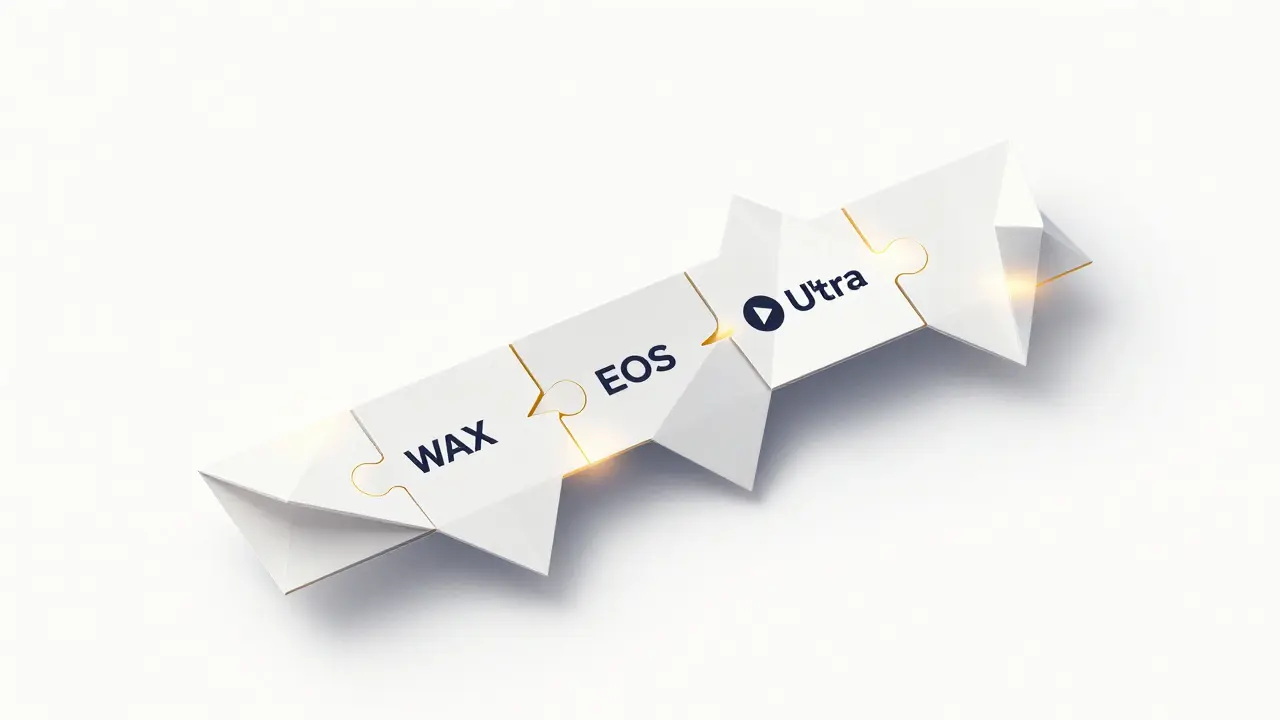
Here’s where Alcor stands out. If you’re trading between WAX and EOS tokens, you normally need bridges, multiple wallets, and separate DEXs. Alcor cuts that mess in half. It’s the only DEX that lets you swap WAX to Telos, EOS to Ultra, or any combination - all from one interface.As of late 2023, Alcor supports four EOSIO-based chains:
- WAX (Worldwide Asset eXchange)
- EOS (Enterprise Operating System)
- Telos (TLOS)
- Ultra (UOS)
These aren’t random choices. They’re all part of the same ecosystem - built on the same codebase, sharing similar tools and user bases. Alcor’s entire design is built around making cross-chain swaps seamless. That’s why 65% of all DEX volume on WAX and EOS chains flows through Alcor. It’s not the biggest DEX in the world, but it’s the most used in its niche.
Trading Fees and Rewards - Transparent, But Not Cheap
Alcor’s fee structure is simple:- 0.3% for makers (limit orders)
- 0.5% for takers (market orders)
- 0.25% of all trade volume goes to liquidity providers
That’s in line with most DEXs. But here’s the catch: if you’re trading low-volume tokens - say, XPR to TLOS - slippage can hit 10-18%. Users report this often. One Reddit user swapped 1,000 XPR and got 18% less than expected. That’s not a fee issue. That’s a liquidity problem.
Liquidity pools on Alcor average $150,000 per pair. Compare that to Uniswap, where pools often exceed $2 million. Smaller pools mean bigger price swings. If you’re trading more than $500 at once on a lesser-known token, expect slippage. Plan for it.
Security - No Audits, No Insurance, But No Central Point of Failure
Alcor doesn’t have a security audit report on its website. Not one. That’s a red flag for anyone serious about safety. The smart contracts powering the exchange haven’t been publicly reviewed by firms like CertiK or Hacken. The platform’s own documentation doesn’t mention cold storage, withdrawal whitelists, or insurance funds.But here’s the flip side: because Alcor is non-custodial, hackers can’t steal your funds by breaching a central server. Your wallet is your only vulnerability. If your private key is safe, your assets are safe. That’s why security experts like Arkose Labs say Alcor reduces account takeover risks - no passwords means no phishing.
Still, 6.2/10 on security ratings from Fourchain isn’t reassuring. No two-factor authentication beyond wallet signing. No recovery options. If you lose your wallet, you lose everything. And if a smart contract glitch happens? There’s no safety net. You’re on your own.
What Users Say - Love It or Hate It
Community feedback is split. On Reddit, Telegram, and Twitter, users either call Alcor a game-changer or a frustrating mess.Positive reviews focus on one thing: cross-chain efficiency. A user named WAXTrader89 said: “Switching between WAX and EOS tokens without bridge fees saves me 3-5% per trade.” That’s real money over time.
Negative reviews? They all point to liquidity. One Telegram user tried to swap 1,000 XPR for TLOS. After three failed attempts, they gave up. Slippage was over 18%. Another said they couldn’t find support for a wallet connection issue for three days.
Customer support averages 72 hours to respond. No live chat. No phone number. Just a Telegram group with 12,450 members and a Discord server with 8,300. You get help if you’re lucky - or if you’re patient.

Who Is Alcor Really For?
Alcor isn’t for beginners. If you don’t know what a wallet is, or how to sign a transaction, you’ll get stuck. Setup takes 8-12 minutes just to connect your wallet. No mobile app. No fiat on-ramps. You need crypto already in your wallet to start.It’s perfect for:
- Traders who move between WAX, EOS, Telos, and Ultra regularly
- People who hate bridge fees and want one interface for all their EOSIO tokens
- Advanced DeFi users who understand slippage and liquidity risks
It’s not for:
- New crypto users
- Those who want to buy crypto with a credit card
- Anyone who needs 24/7 customer support
- Traders who want 10,000+ token pairs
Alcor has about 350 tradable pairs. Uniswap has over 15,000. If you’re hunting for obscure altcoins, you’ll be disappointed.
What’s Coming in 2024
Alcor isn’t standing still. The team has a clear roadmap:- Q1 2024: Mobile app release (finally)
- Q2 2024: Integration with Polygon and BNB Chain
- Unspecified: Liquidity mining program for governance token distribution
The IBC Bridge upgrade in late 2023 already let users swap between WAX and Ethereum-compatible chains. That’s huge. It means Alcor is no longer locked to EOSIO. If they pull off Polygon and BNB Chain integration, they’ll jump from niche player to serious multi-chain contender.
But here’s the question: will EOSIO chains survive? Right now, they make up only 3.2% of total DeFi locked value. If Ethereum and Solana keep growing, and EOSIO fades, Alcor’s future gets shaky. Its success is tied to the survival of a specific blockchain ecosystem - not the broader crypto market.
Final Verdict
Alcor Exchange is a brilliant tool for a very specific group of traders. If you live in the EOSIO world - swapping WAX, EOS, Telos, and Ultra tokens daily - it’s the most efficient platform you’ll find. No bridges. No extra steps. Just direct, fast trades.But if you’re looking for a general-purpose crypto exchange, you’ll be frustrated. Low liquidity. No mobile app. No support. No audits. It’s not broken - it’s just not built for you.
For now, Alcor is a specialist’s tool. Not a beginner’s first stop. But if you’re in its target market? It’s hard to beat.