Imagine you find a new platform promising insane returns on your Bitcoin or Ethereum. The ads look slick, the testimonials seem perfect, and the interface is modern. You deposit your funds, excited to start trading. Then, you try to withdraw. Suddenly, customer support disappears, fees appear out of nowhere, or worse, your account gets frozen without explanation. This nightmare scenario is exactly why we need to talk about BetaEX.
You are reading this because you want to know if BetaEX is a legitimate cryptocurrency exchange where you can safely trade digital assets. The short answer? Proceed with extreme caution. As of May 2026, there is virtually no credible public information, regulatory licensing, or independent user verification for a platform named "BetaEX." In the world of crypto, silence is not golden-it’s often a warning sign.
The Missing Information Problem
When I review exchanges like Binance, Coinbase, or even newer contenders like Bybit, I look for specific data points. Who owns them? Where are they registered? Do they have an API documentation page that developers use? For BetaEX, these answers simply do not exist in any reliable source.
This lack of transparency is the first major red flag. Legitimate financial institutions, even those operating in decentralized finance (DeFi) spaces, usually leave a digital footprint. They publish whitepapers, list their team members on LinkedIn, and register with local financial authorities. If you cannot find a physical address, a legal entity name, or a clear history for BetaEX, you are likely dealing with an unregulated entity. Unregulated means if they steal your money, you have zero recourse. There is no insurance fund, no ombudsman, and no law enforcement agency that will help you recover those lost coins.
How to Spot a Fake Crypto Exchange
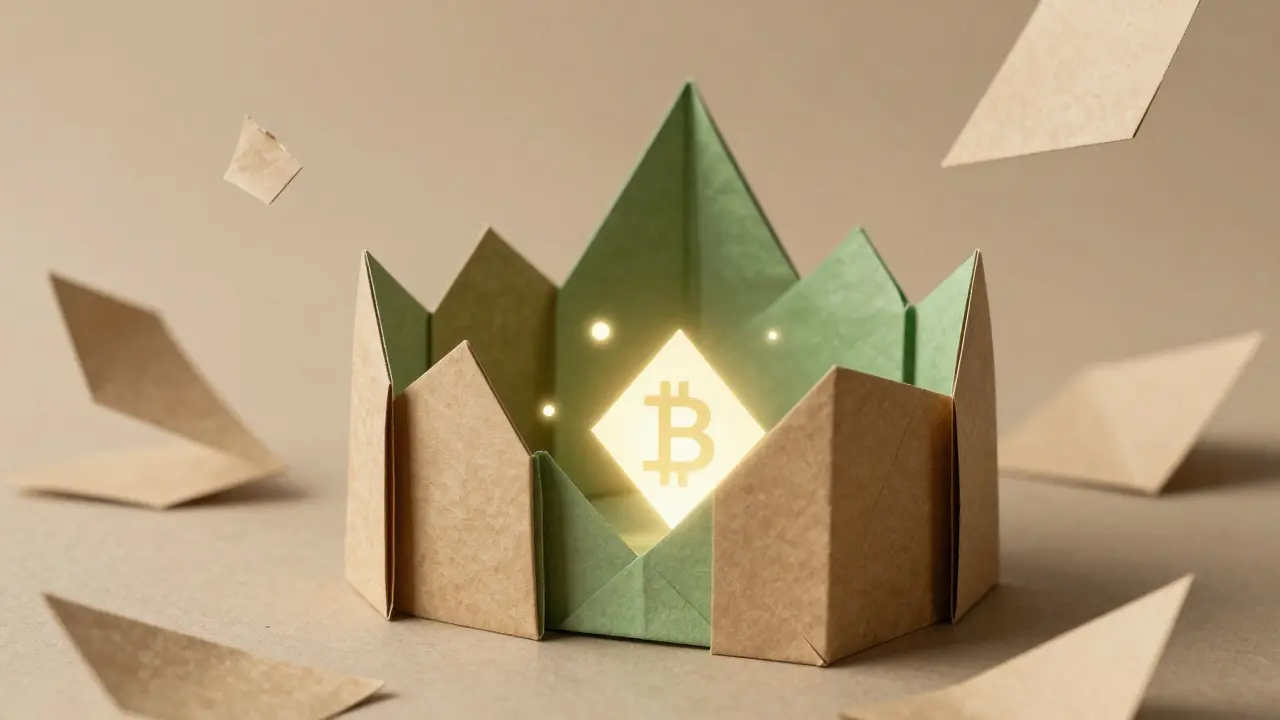
Since we cannot verify BetaEX’s legitimacy through standard channels, let’s look at the common traits of fraudulent platforms. These scams often follow a predictable pattern known as the "Pig Butchering" scheme or simple advance-fee fraud. Here is what typically happens:
- Aggressive Marketing: You might encounter BetaEX through social media ads, dating apps, or unsolicited messages. Scammers often pose as successful traders inviting you to join their "exclusive" platform.
- Fake App Stores: Legitimate exchanges are listed on the official Apple App Store or Google Play Store under verified developer names. If you were told to download an APK file directly from a website or via a link, that is a massive security risk. That file could contain malware designed to steal your private keys.
- Too-Good-To-Be True Returns: Does BetaEX promise guaranteed daily profits? No legitimate trading platform guarantees profits. Markets fluctuate. If they claim you can make 1% to 5% daily with zero risk, it is a Ponzi scheme using new deposits to pay old users until the rug pull.
- Withdrawal Obstacles: This is the moment the mask slips. You try to cash out, but they tell you must pay a "tax," a "verification fee," or a "liquidity fee" first. Once you pay that fee, another one appears. They never intend to send your money back.
Comparing BetaEX to Legitimate Alternatives
To understand why BetaEX raises alarms, compare it against established industry standards. Established exchanges undergo rigorous audits and comply with Anti-Money Laundering (AML) and Know Your Customer (KYC) regulations.
| Feature | BetaEX (Unverified) | Regulated Exchanges (e.g., Coinbase, Kraken) |
|---|---|---|
| Regulatory License | None found / Unknown | Licensed in US, EU, UK, etc. |
| User Reviews | No independent reviews on Trustpilot/G2 | Thousands of verifiable reviews |
| Security Audits | Not published | Regular third-party audits (e.g., CertiK, Trail of Bits) |
| Custody | Unknown (likely hot wallets) | Mostly cold storage with insurance |
| Transparency | Anonymous team | Public leadership and corporate structure |
Notice the difference? Platforms like Kraken or Bitstamp have been around for over a decade. They survived multiple market crashes and hacks by maintaining reserves and transparency. BetaEX has none of this history. Without proof of reserves-a cryptographic proof that the exchange actually holds the user assets you think they hold-you are trusting them blindly. And in crypto, blind trust is expensive.
The Technical Red Flags
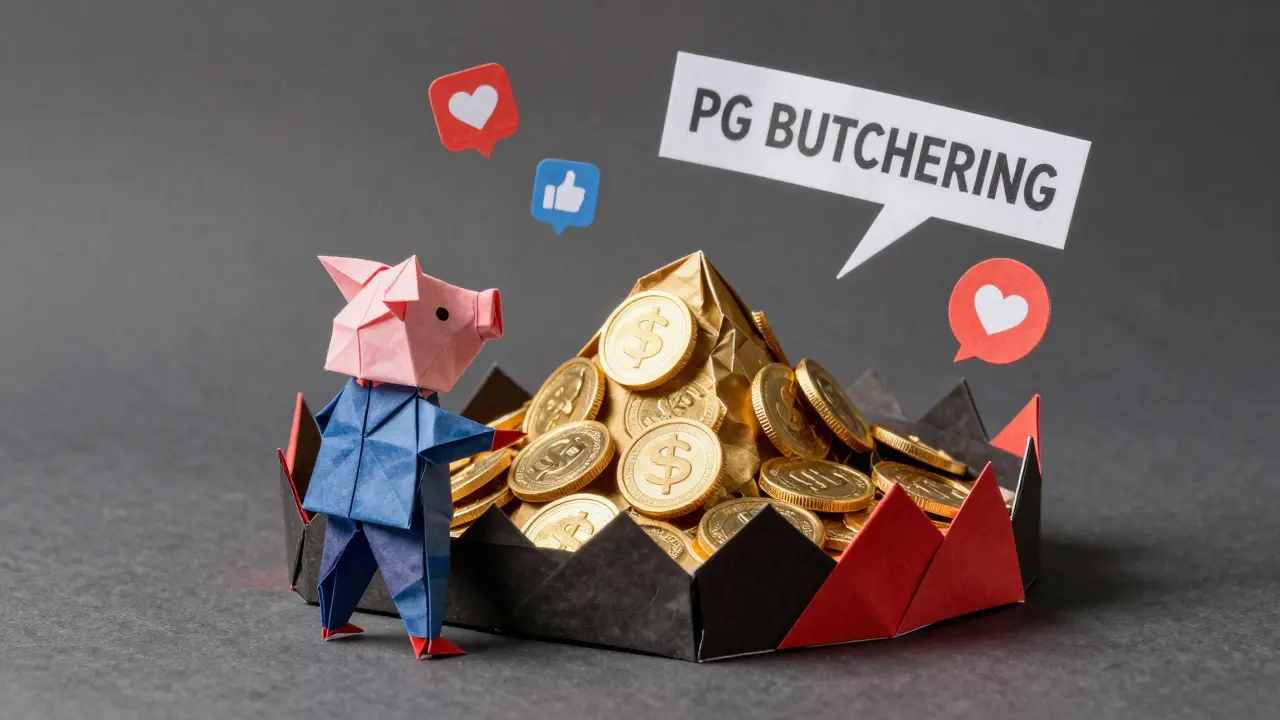
If you managed to access a website claiming to be BetaEX, look closely at the technical details. A quick check of the domain registration using a WHOIS lookup can reveal a lot. Often, scam sites are registered recently, within the last few months, and use privacy protection services to hide the owner's identity. Legitimate companies usually have domains registered for years.
Also, check the URL. Is it `betaex.com` or something tricky like `betaex-official-login.net`? Phishing sites mimic real brands. Even if BetaEX were a real, small startup, a professional site would have secure HTTPS connections, clear terms of service, and privacy policies that cite specific laws. Generic legal text copied from other sites is a common tactic among scammers to look professional without actually being compliant.
Another technical aspect is the wallet integration. Legitimate exchanges allow you to connect non-custodial wallets like MetaMask or Trust Wallet to trade on decentralized protocols. If BetaEX requires you to send funds directly to a wallet address controlled by their company, and you don't own the private keys to that wallet, you do not truly own the crypto. You only own an IOU from BetaEX. If they go bankrupt, that IOU becomes worthless paper.
What To Do If You Already Deposited Funds
If you have already sent cryptocurrency to BetaEX and are having trouble withdrawing, act immediately. Time is critical. First, stop sending any more money. Do not pay any "fees" to unlock your account. Those fees will disappear into the scammer's pocket.
Next, gather all evidence. Take screenshots of your account dashboard, transaction hashes on the blockchain (using explorers like Etherscan or Blockchain.com), and any chat logs with customer support. Send these to relevant authorities. In the US, report to the Federal Trade Commission (FTC) and the Internet Crime Complaint Center (IC3). In the EU, report to your local consumer protection agency. While recovery is difficult, reporting helps track larger scam networks and may prevent others from falling victim.
Contact your bank or credit card issuer if you used fiat currency to buy crypto on the platform. Request a chargeback immediately, citing fraud. The sooner you notify them, the higher the chance of reversing the transaction before the funds are moved offshore.
Safer Alternatives for Trading in 2026
You don’t need to take risks on unknown platforms to trade crypto. There are numerous reputable options depending on your needs. If you are in the United States, Coinbase and Kraken offer high security and regulatory compliance. For international users, Binance and OKX provide deep liquidity and advanced trading tools, though you should always enable two-factor authentication (2FA) and withdraw large amounts to a personal hardware wallet like Ledger or Trezor.
If you prefer decentralization, consider using Uniswap or Curve Finance. These are automated market makers (AMMs) that run on smart contracts. No central company holds your funds; you trade peer-to-peer. This eliminates the counterparty risk of an exchange going insolvent. However, remember that DeFi carries its own risks, such as smart contract bugs, so always research the protocol before connecting your wallet.
Conclusion: Protect Your Capital
In the cryptocurrency space, security is not just a feature-it is the product. An exchange that cannot prove its legitimacy, ownership, or security practices is not worth your attention. BetaEX fails every basic test for credibility. The absence of information is information itself: it tells us that this platform is likely unsafe.
Stick to well-known, regulated entities. Use hardware wallets for long-term storage. Never share your seed phrases. And if an opportunity sounds too good to be true, it almost certainly is. Your capital is hard-earned; don’t gamble it on a mystery platform.
Is BetaEX a licensed cryptocurrency exchange?
There is no public record of BetaEX holding any financial licenses from major regulatory bodies such as the SEC (US), FCA (UK), or CySEC (EU). Operating without a license in most jurisdictions is illegal for financial services providers.
Can I trust BetaEX with my Bitcoin?
Based on current available data, you should not trust BetaEX with significant funds. The lack of transparent ownership, security audits, and user reviews suggests a high risk of fraud or insolvency.
Why can't I find reviews for BetaEX?
Legitimate businesses accumulate reviews over time on platforms like Trustpilot, G2, and Reddit. The complete absence of independent reviews often indicates a very new, obscure, or fraudulent operation that does not want to build a public reputation.
What should I do if BetaEX asks for a withdrawal fee?
Never pay a fee to withdraw your own funds. This is a classic scam tactic. Legitimate exchanges deduct trading fees automatically but do not require upfront payments to release withdrawals. Stop communication and report the incident to authorities.
Are there safe alternatives to BetaEX?
Yes. Reputable alternatives include Coinbase, Kraken, Binance, and OKX for centralized trading. For decentralized trading, Uniswap and Curve Finance are widely used and audited protocols. Always prioritize platforms with proven track records and regulatory compliance.