

The reality of the current market is that for every legitimate exchange, there are ten clones designed to drain your wallet. If you've been searching for a detailed breakdown of this specific platform, you've probably noticed something unsettling-there is almost no verifiable information about them. No regulatory filings, no history of corporate growth, and no transparent leadership team. This is a massive red flag in an industry where trust is the only currency that actually matters.
The Red Flags of an Invisible Exchange
When we look at the big players in the industry, such as Coinbase or Binance, they have thousands of pages of documentation, legal disclosures, and a traceable history. BTCNEXT, on the other hand, operates in a vacuum. If a platform lacks a clear "About Us" section with verifiable names of executives, you aren't looking at a business; you're looking at a facade.
Ask yourself: Why would a professional financial entity hide its ownership? Legitimate companies brag about their licenses. Whether it's a license from the FCA in the UK or a registration with FinCEN in the US, regulation is the only thing that protects you from a "rug pull." Without these, your funds are essentially being sent to an anonymous wallet with no legal recourse if the site disappears tomorrow.
How to Spot a Crypto Trading Scam
Many users get lured in by "guaranteed returns" or a friendly representative who reaches out via WhatsApp or Telegram. This is a classic tactic used by fraudulent platforms. Real exchanges don't hunt for clients via direct messages from strangers. If someone is pushing you to sign up for BTCNEXT Exchange review platforms or promising a 10% daily profit, you are likely being targeted by a social engineering attack.
Another common trick is the "withdrawal fee." You'll see your balance growing on the screen-which is just a number in a database-but when you try to take your money out, the platform asks for a "tax payment" or a "security deposit" first. This is the final stage of the scam. Once you pay that fee, the scammers vanish, and you realize the balance on the screen was never real money to begin with.
| Feature | Verified Exchange | Red Flag Platform |
|---|---|---|
| Regulatory Status | Publicly listed licenses (e.g., VASP) | Claims "global regulation" without proof |
| Withdrawals | Standard processing times | Requires "advance tax" to withdraw |
| Customer Support | Official tickets, email, and live chat | WhatsApp, Telegram, or Instagram DMs |
| Transparency | Proof of Reserves (PoR) audits | Secretive ownership and operations |

The Danger of "Ghost" Platforms
A "ghost platform" is a site that looks professional-it has live price tickers, sleek charts, and a modern interface-but it has no actual liquidity. The numbers you see moving are often just simulated data fed from TradingView or other public APIs to make the site look active. You aren't actually trading on a market; you are playing a video game where the house controls everything.
If you cannot find the platform on reputable tracking sites like CoinMarketCap or CoinGecko, it's because they haven't met the basic requirements for listing, which usually include verified trading volume. Trading on an unlisted exchange is like putting your life savings in a briefcase and giving it to a stranger in a parking lot.

Protecting Your Digital Assets
The gold standard for safety in crypto is simple: not your keys, not your coins. While using a reputable exchange is fine for trading, keeping your long-term holdings on a Hardware Wallet (like Ledger or Trezor) is the only way to ensure total control. When you deposit funds into a platform like BTCNEXT, you are giving them the private keys to your assets.
If you've already deposited money and are having trouble withdrawing, do not send more funds to "unlock" your account. This is a psychological trap. Instead, report the incident to the CFTC (Commodity Futures Trading Commission) or your local financial crimes authority. While recovering crypto is notoriously difficult, reporting the wallet addresses used by the scammers helps the community blacklist those accounts.
Final Verdict on BTCNEXT
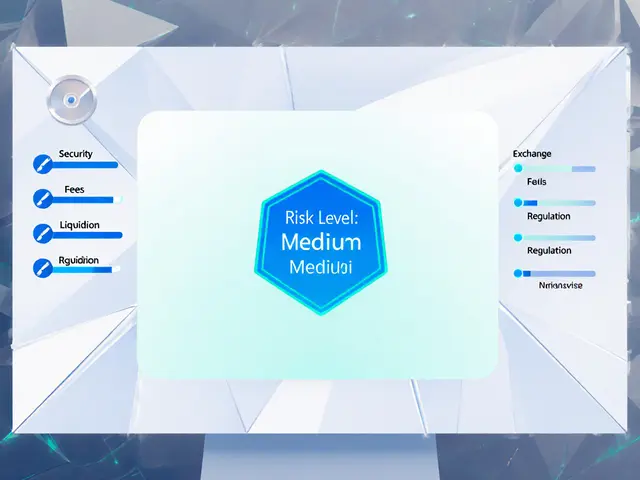
Based on the complete lack of transparency, absence of regulatory registration, and the generic nature of its online presence, BTCNEXT exhibits all the hallmarks of a high-risk platform. In the best-case scenario, it's an amateur operation with zero security. In the worst-case scenario, it's a coordinated scam designed to steal deposits.
Avoid this platform. Stick to exchanges that have a proven track record, a physical headquarters you can verify, and a clear relationship with financial regulators. The lure of a "hidden gem" exchange is almost always a trap. Your priority should always be the preservation of capital over the promise of unrealistic gains.
Is BTCNEXT Exchange regulated?
There is no public evidence of BTCNEXT being registered with major financial regulators like the SEC, FCA, or FinCEN. Any platform claiming to be regulated without providing a specific license number and the name of the issuing authority should be treated as a high risk.
Why is the platform asking for a tax payment to withdraw my funds?
This is a common red flag for a cryptocurrency scam. Legitimate exchanges deduct fees from the balance or require you to pay taxes to your own government via official tax returns. They will never ask you to send *additional* money to a separate wallet to "release" your existing funds.
Can I recover my money if the exchange disappears?
Recovering funds from an unregulated exchange is extremely difficult because blockchain transactions are irreversible. Your best bet is to report the scam to the authorities and be wary of "recovery agents" who claim they can get your money back for a fee-these are almost always secondary scams.
How do I know if a crypto exchange is legit?
Check for three things: 1. A verifiable physical address and leadership team. 2. Proof of Reserves (PoR) to ensure they actually hold the assets they claim. 3. Listing on industry-standard trackers like CoinGecko or CoinMarketCap.
What should I do if I've already sent money to BTCNEXT?
Stop sending money immediately. Attempt to withdraw whatever you can without paying extra fees. Document all communications, save the wallet addresses you sent funds to, and file a report with your national cybercrime agency.


Rob Mitchell
Spot on. Hardware wallets are the only way to truly sleep at night.
Tracie and Matthew Hartley
idk why everyone is so scared... maybe its just a new platform and they dont have the papeerwork yet. stop tryin to scare ppl lol
James Bone
The irony here is that most people are just looking for a shortcut to wealth without understanding the underlying mechanism of custody. It's practically a moral failing to trust your life savings to a site with no KYC or corporate identity. We've seen this cycle a thousand times since 2017 and yet the herd still runs toward the cliff. It's not even about the money at this point, it's about the sheer lack of critical thinking in the retail space. You can't just ignore the absence of a VASP license and call it a 'hidden gem.' That's just delusional. These 'ghost platforms' thrive on the greed of people who think they've found a loophole. Newsflash: there is no loophole for basic security. If the exit liquidity is you, then you've already lost the game. The fundamental nature of these scams is predatory, targeting the most vulnerable who are desperate for a financial exit. It's a systemic failure of education in the digital age. We talk about decentralization but then people run to a centralized entity that doesn't even exist on paper. Just peak comedy really.
Omotola Balogun
Actually, if you look at the API integration of these ghost sites, they usually just scrape data from CoinGecko to mimic real-time volatility. Its a basic front-end trick to deceive novcies. Most people don't even check the network tab in their browser to see where the data is actually coming from. Absolute amateur hour on the part of the victims here.
EDOZIEM MICHAEL
money is just an energy flow man... if it goes to a scammer it just means you had to learn a lesson about trust in a digital world where nothing is real anyway
Akshay Gorad
I agree with the caution here. It is important to maintain boundaries between our hopes for profit and the reality of security.
Aaliyah BROTHERS
WAKE UP PEOPLE!!! This is obviously part of a larger scheme by the global elites to trap our assets in these fake portals!!! They want us terrified and broke so we can't fight back!!! The lack of regulation isn't an accident, it's a DESIGN choice by the shadow government to facilitate these thefts!!! ABSOLUTELY DISGUSTING!!!
jennelle williams
it hurts to lose money
be kind to yourself if you got tricked
Heather Warren
If anyone is feeling lost, I can help you find a list of verified exchanges that have actual licenses. Let's all work together to stay safe!
Chidinma Sandra okafor
Oh look, another 'expert' warning us about scams while the real thieves are probably running the very sites you recommend. How quaint. Truly, the nobility of this discourse is breathtaking.
Lauren Abrams
I've just been watching from the sidelines and the amount of fake 'recovery' bots in the comments of these posts is wild.
Alan Seiden
Only a complete moron would even consider a site like this. This is why the UK needs to stop letting every half-baked crypto scheme operate in the shadows. Absolutely pathetic.
Samson Selleck
The asymmetric information gap here is palpable. The heuristic for identifying these fraudulent conduits is elementary: a lack of audited Proof of Reserves is a binary fail state. Why are we even discussing this at a retail level when the institutional safeguards are so clearly absent?
Adam Auksel
Great breakdown! Keep sharing these warnings to help others learn 🚀🌟
william manes
GET A BRAIN 🤡 Only idiots pay 'withdrawal taxes' 🙄 Stay poor!
Tyler Webb
I'm so sorry to anyone who actually lost money to this site. That's a really tough spot to be in. :(
Kieran Smith
wonder if there's any way to track the wallet addresses? maybe we can find where the money went lol
Surender Kumar
nice post man... really helpfull for la few of us just startin out’
daniella davis
ummm actually I think the author is missing the point about the liquidity pools... like, obviouslly it's a scam but the way its explained is so basic it's almost boring.’
Lela Singh
Stay vigilant and keep your keys safe! Power to the traders!
7stargee Emmanuel Obani
this is just a joke :)
Kelly Cantrell
The government is probably running this exchange to suck the money out of the middle class. They want us dependent on their digital currency so they can control every single transaction we make!