
You clicked on this because you heard rumors about an Asian Fintech airdrop. Maybe a friend sent you a link, or you saw a tweet promising free tokens for holding something specific. Here is the hard truth right away: as of August 2026, there is no widely verified, official "big bang" airdrop campaign from Asian Fintech that matches the hype often seen in social media groups. Most claims circulating online are either outdated, referring to very small community rewards, or potentially misleading.
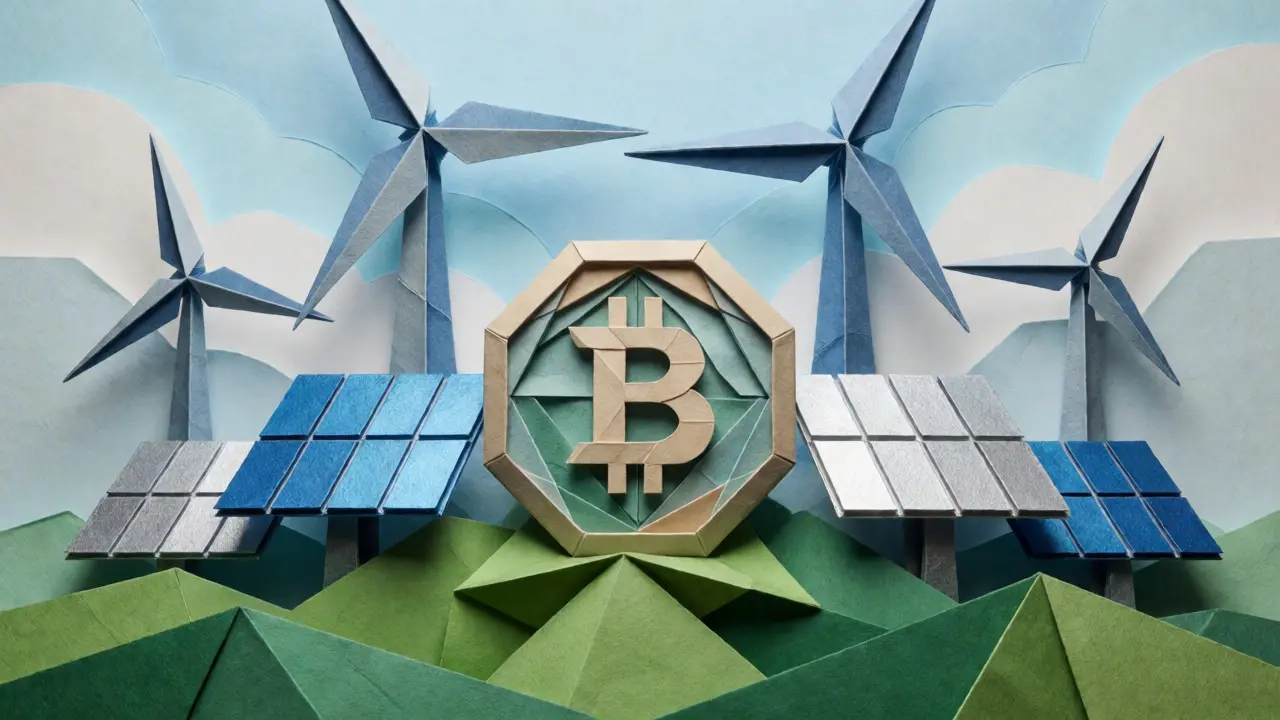
Before you connect your wallet or spend gas fees chasing a phantom reward, you need to understand what Asian Fintech actually is. It is not just another meme coin. The project positions itself as a bridge between cryptocurrency and environmental responsibility. They claim their token, AFIN, works alongside "Green Bitcoin," which uses renewable energy sources like solar and wind for mining. Sounds great, right? But when you look under the hood at the market data, things get murky fast.
The Core Problem: Where Is the Airdrop?
Let’s address the elephant in the room. If you are looking for a step-by-step guide to claim an AFIN airdrop today, you might be frustrated. Major crypto tracking platforms like CoinMarketCap and Binance do not list any active, large-scale airdrop program for AFIN. This absence is significant. In the crypto world, legitimate airdrops usually have clear dates, eligibility snapshots, and distribution schedules announced months in advance.
Why does this matter? Because if you are seeing ads or Telegram posts screaming "Get Free AFIN Now," you need to be skeptical. Often, these campaigns are either:
- Community incentives: Small rewards for engaging with their social media, which don’t require a complex blockchain interaction.
- Historical events: Referring to distributions that happened years ago, specifically around 2019 when the token had its peak activity.
- Scams or phishing attempts: Fake sites trying to drain your wallet by asking you to "claim" a non-existent reward.
Always verify the source. If the announcement isn’t on the official Asian Fintech website or their verified Twitter/X account, treat it with extreme caution.
What Exactly Is Asian Fintech (AFIN)?
To judge the value of any potential future airdrop, you first need to know what you’re getting. Asian Fintech is a digital asset designed to appeal to socially conscious investors. The core idea is simple: most cryptocurrencies have a massive carbon footprint due to proof-of-work mining. Asian Fintech argues that AFIN solves this by partnering with Green Bitcoin operations.
Here is how the entity structure works in practice:
The project’s narrative relies heavily on the concept of Green Bitcoin being a form of Bitcoin mined using renewable energy such as hydro, solar, and wind power. By linking AFIN to this green infrastructure, they hope to attract ESG (Environmental, Social, and Governance) investors who want exposure to crypto without the guilt trip.
Tokenomics: Supply and Scarcity
If an airdrop were to happen, the impact on price would depend entirely on supply mechanics. Asian Fintech has a strict total supply of 500 million AFIN tokens. There is no inflationary mechanism mentioned in the basic specs, meaning new tokens aren’t constantly minted to pay validators.
However, here is where it gets tricky for traders. The self-reported circulating supply is around 135 million tokens. That leaves a huge chunk-over 70%-either locked, burned, or held by early insiders. If an airdrop unlocks a significant portion of this remaining supply, it could dilute the value for existing holders. Conversely, if the airdrop targets only a tiny fraction of users, the market impact might be negligible.
Market Reality: Liquidity and Price Confusion
This is the part most airdrop hunters ignore. You can’t sell what you can’t trade. Current market data for AFIN is confusing and often contradictory. Depending on which platform you check, the price is either a few fractions of a cent or literally zero.
Binance, one of the largest exchanges globally, lists AFIN as unavailable for direct trading. They suggest using their Web3 Wallet to find decentralized exchanges (DEXs). This tells us two things:
- Liquidity is thin: You won’t find deep order books. Selling a large amount of AFIN might crash the local price due to low volume.
- Accessibility is limited: You need technical know-how to swap tokens on DEXs. This adds friction and gas fees, which might eat up the value of a small airdrop.
CoinCodex reports a price hovering around $0.0012 USD, while other trackers show $0. This discrepancy usually means the token trades so rarely that some algorithms fail to update the last traded price. For context, the token reached its all-time high in January 2019. Since then, it has struggled to regain momentum. If you receive an airdrop worth $50 today, remember that finding a buyer at that price might take weeks.
Comparison: AFIN vs. Standard Crypto Projects
To help you decide if chasing AFIN is worth your time, let’s compare it against typical mid-cap crypto projects that frequently run airdrops.
| Feature | Asian Fintech (AFIN) | Typical Active Altcoin |
|---|---|---|
| Airdrop Status | No major active campaign verified | Frequent seasonal or ecosystem rewards |
| Exchange Availability | Low (DEXs only, mostly) | High (Major CEXs like Binance, Coinbase) |
| Trading Volume | Very Low / Near Zero | Moderate to High |
| Primary Narrative | Sustainability / Green Mining | Utility / DeFi / Gaming |
| Risk Level | High (Liquidity risk) | Medium (Market volatility) |
The table highlights a critical point: AFIN lacks the exchange support that makes airdrops profitable for most people. With standard altcoins, you can dump an airdrop instantly upon listing. With AFIN, you might hold the bag indefinitely because there aren’t enough buyers.

How to Participate (If You Still Want To)
Despite the lack of a massive public airdrop, some users still want to engage. If you believe in the long-term vision of sustainable crypto, here is how you can stay involved safely.
- Monitor Official Channels: Follow Asian Fintech’s verified social media accounts. Any real airdrop will start there, not via a random DM.
- Use a Burner Wallet: Never connect your main hardware wallet to unfamiliar dApps claiming to offer AFIN rewards. Use a fresh MetaMask or Trust Wallet instance.
- Check Contract Addresses: Verify the smart contract address (starting with 0xee9e...) on Etherscan before interacting. Scammers often create fake tokens with similar names.
- Assume No Value: Treat any tokens you receive as free lottery tickets. Do not base financial decisions on their projected value.
The Verdict: Is It Worth Your Time?
If you are hunting for quick flips, Asian Fintech is probably not your best bet in late 2026. The combination of low liquidity, conflicting price data, and the absence of a confirmed major airdrop makes it a risky venture. The "Green Bitcoin" angle is interesting for niche investors who care about ESG metrics, but it hasn’t translated into strong trading volume yet.
Keep an eye on the project’s development updates. If they announce partnerships with major exchanges or launch a verifiable carbon-offset audit, the sentiment could shift. Until then, proceed with caution. Don’t let the promise of "free money" blind you to the reality of empty order books.
Is there an official Asian Fintech airdrop happening now?
As of August 2026, there is no widely recognized, large-scale official airdrop campaign currently active for Asian Fintech (AFIN) on major crypto news outlets. Be wary of third-party sites claiming otherwise, as they may be outdated or fraudulent.
Where can I buy or trade AFIN tokens?
AFIN is not listed on major centralized exchanges like Binance for direct spot trading. Users typically need to use decentralized exchanges (DEXs) accessible through Web3 wallets like MetaMask or Binance Web3 Wallet. Liquidity is generally low.
What is the total supply of Asian Fintech tokens?
The total and maximum supply of AFIN tokens is capped at 500 million. Approximately 135 million tokens are reported to be in circulation, though exact figures can vary based on reporting sources.
Why is the AFIN price showing as $0 on some sites?
This occurs due to extremely low trading volume. When a token doesn't trade for extended periods, some aggregators default the price to $0 until a new transaction confirms a market rate. Other sites may show stale data from previous trades.
Is Asian Fintech related to Green Bitcoin?
Yes, the project markets itself as being connected to "Green Bitcoin," which refers to Bitcoin mined using renewable energy sources like solar, wind, and hydro power. AFIN aims to integrate with this sustainable mining ecosystem.