You’ve heard the name BitFriends Exchange is a cryptocurrency trading platform that has recently appeared in search results and social media promotions. The promise sounds good: easy trading, low fees, maybe even some "guaranteed" returns. But here is the hard truth you need to hear right now. There is almost no credible information about this platform from independent financial regulators, major tech news outlets, or established crypto watchdogs.
In the world of digital assets, silence from reputable sources is rarely a good sign. When a platform cannot be found on lists of regulated exchanges like those maintained by the Financial Conduct Authority (FCA) in the UK or the Commodity Futures Trading Commission (CFTC) in the US, you should pause. This review isn't just about listing features; it's about protecting your money. We will look at why BitFriends raises red flags, what makes an exchange actually safe, and where you can trade without risking everything on a ghost platform.
The Red Flags Surrounding BitFriends Exchange
If you are looking for a detailed breakdown of BitFriends' user interface, fee structure, or customer support response times, you won't find it here. Why? Because these details often don't exist in a verifiable way. Many platforms that pop up suddenly, gain traction through aggressive social media ads, and then vanish are not real businesses. They are fronts designed to collect deposits and disappear.
Here are the specific warning signs associated with BitFriends and similar unknown entities:
- Lack of Regulatory License: Legitimate exchanges register with government bodies. If BitFriends claims to be registered but you cannot verify their license number on the regulator's official website, it is a fake claim.
- Anonymity of Leadership: Who runs BitFriends? Can you find their LinkedIn profiles? Do they have a history in finance? Real companies have transparent leadership teams. Fake ones use stock photos or stolen identities.
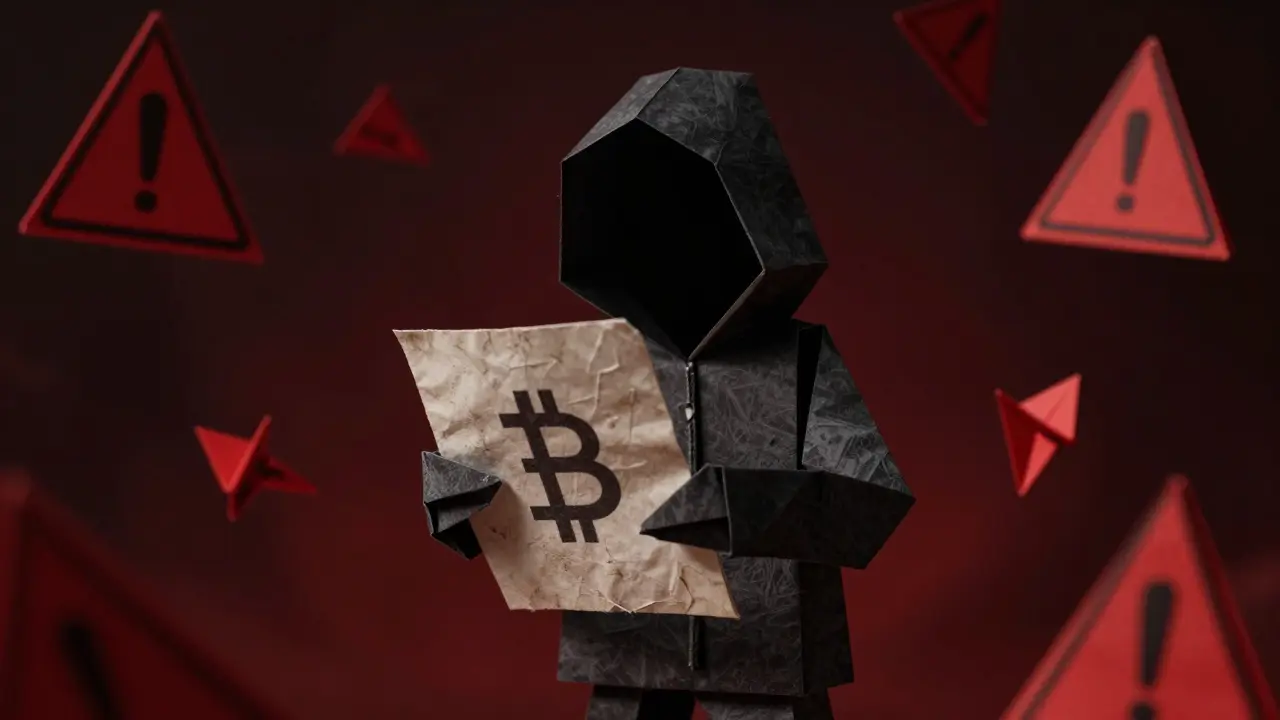
- Unrealistic Promises: Did you see an ad promising high daily returns with zero risk? That is the hallmark of a Ponzi scheme or a "pig butchering" scam. No legitimate trading platform guarantees profits.
- No Independent Reviews: Search for "BitFriends scam" or "BitFriends complaint." If the only positive reviews come from brand-new accounts with generic text, they are likely bots paid to create false trust.
The absence of BitFriends from established security ratings-unlike giants such as Binance, Coinbase, or Kraken-is a massive data point. In 2026, the crypto market is mature enough that every legitimate player has a digital footprint. If they aren't there, they probably aren't real.
How Fake Crypto Exchanges Operate
To understand why you should avoid BitFriends, you need to know how these scams work. It’s not always a simple hack. Often, it is psychological manipulation.
The most common method is the pig butchering scam. A scammer builds a relationship with you, perhaps via dating apps or social media. They slowly introduce the idea of investing in crypto. They recommend a specific platform-in this case, possibly BitFriends. You start small, and yes, you might even withdraw a tiny amount of profit initially. This is bait. Once you trust them, you deposit thousands or tens of thousands. Then, the platform locks your funds, demanding "taxes" or "fees" to withdraw. When you pay those, the site disappears.
Another tactic is the fake chart scam. The exchange’s website shows prices moving normally. You buy Bitcoin or Ethereum. Your balance goes up. But when you try to sell, the system says "high volatility" or "maintenance." In reality, the charts are fake. The price data is generated by the scammer to make you feel rich while your actual money sits in their private bank account.
These operations mimic the look of real exchanges. They use professional design, copy-paste terms of service, and even fake security certificates. But under the hood, there is no connection to the real blockchain. Your coins never leave your wallet until you send them to the scammers' address.

What Makes a Crypto Exchange Actually Safe?
Not all exchanges are created equal, but some are clearly better than others. If you want to trade safely in 2026, you need to stick to platforms that meet strict criteria. Here is what separates a legitimate business from a fraud like BitFriends.
| Feature | Legitimate Exchange (e.g., Coinbase, Kraken) | Suspect Platform (e.g., BitFriends) |
|---|---|---|
| Regulation | Registered with FCA, CFTC, ASIC, or equivalent | No license, or fake license number |
| History | Operating for years (e.g., Bitstamp since 2011) | Domain registered recently (less than 1-2 years) |
| Security Proof | Proof of Reserves audits by third parties | No audit, or self-generated "security" badges |
| Customer Support | Real humans, live chat, verified email | Only Telegram/WhatsApp, slow or scripted responses |
| Withdrawals | Consistent, transparent fees, timely processing | Blocked withdrawals, hidden fees, endless delays |
Look at Bitfinex, which has been running since 2012, or Bitstamp, founded in 2011. These platforms survived multiple market crashes and regulatory crackdowns because they built real infrastructure. They publish monthly proof-of-reserves reports so you can verify they actually hold the assets they claim to manage. BitFriends does not offer this level of transparency.
Safe Alternatives to BitFriends Exchange
If you were considering BitFriends for ease of use, low fees, or access to specific tokens, you can get all of that from established players. Here are three solid options depending on your needs.
1. Coinbase: Best for Beginners
If you are new to crypto, Coinbase is the largest regulated exchange in the United States. It is publicly traded on the NASDAQ, meaning it must follow strict financial reporting laws. The interface is incredibly simple. You can buy Bitcoin, Ethereum, and dozens of other coins with a bank transfer or credit card. While fees can be higher than on advanced platforms, the security and ease of use are unmatched for novices. They also offer insurance on stored funds, which is a safety net BitFriends definitely lacks.
2. Kraken: Best for Security and Privacy
Kraken is a veteran exchange known for its robust security record and lack of major hacks. Founded in 2011, Kraken appeals to users who value privacy and deep liquidity. They offer a wide range of altcoins and have a powerful API for automated trading. Kraken is regulated in multiple jurisdictions and publishes regular proof-of-reserves audits. If you are worried about the safety of your funds, Kraken is one of the most trusted names in the industry.
3. Binance: Best for Advanced Traders
Binance remains the world's largest cryptocurrency exchange by trading volume. It offers the lowest fees for active traders and the widest selection of cryptocurrencies. However, Binance has faced regulatory scrutiny in various countries, so you must ensure you are using the correct regional version (such as Binance.com or Binance.US) that complies with local laws. For experienced traders who want leverage, futures, and staking options, Binance is still the go-to choice, provided you enable two-factor authentication and keep most of your assets in a cold wallet.
How to Verify Any Exchange Before Depositing
Before you send any money to any platform, whether it is BitFriends or a new startup, run through this checklist. It takes five minutes and could save you thousands.
- Check the Domain Age: Use a tool like WHOIS to see when the website was registered. If it was created less than six months ago, be extremely cautious. Established businesses have older domains.
- Verify the Company Address: Look up the physical address listed in their footer. Does it match a real office? Or is it a virtual mailbox in a tax haven? Try calling the phone number. If it doesn't ring or goes to voicemail, walk away.
- Search for Complaints: Go beyond Google. Check sites like Trustpilot, Reddit, and BlackLotus. Look for patterns. Are people complaining about being unable to withdraw? That is the #1 sign of a scam.
- Test with a Small Amount: Never deposit your life savings first. Deposit $10. Try to withdraw it immediately. If they make it difficult, ask for fees, or delay the process, do not add more money. The goal of the scam is to lock you in.
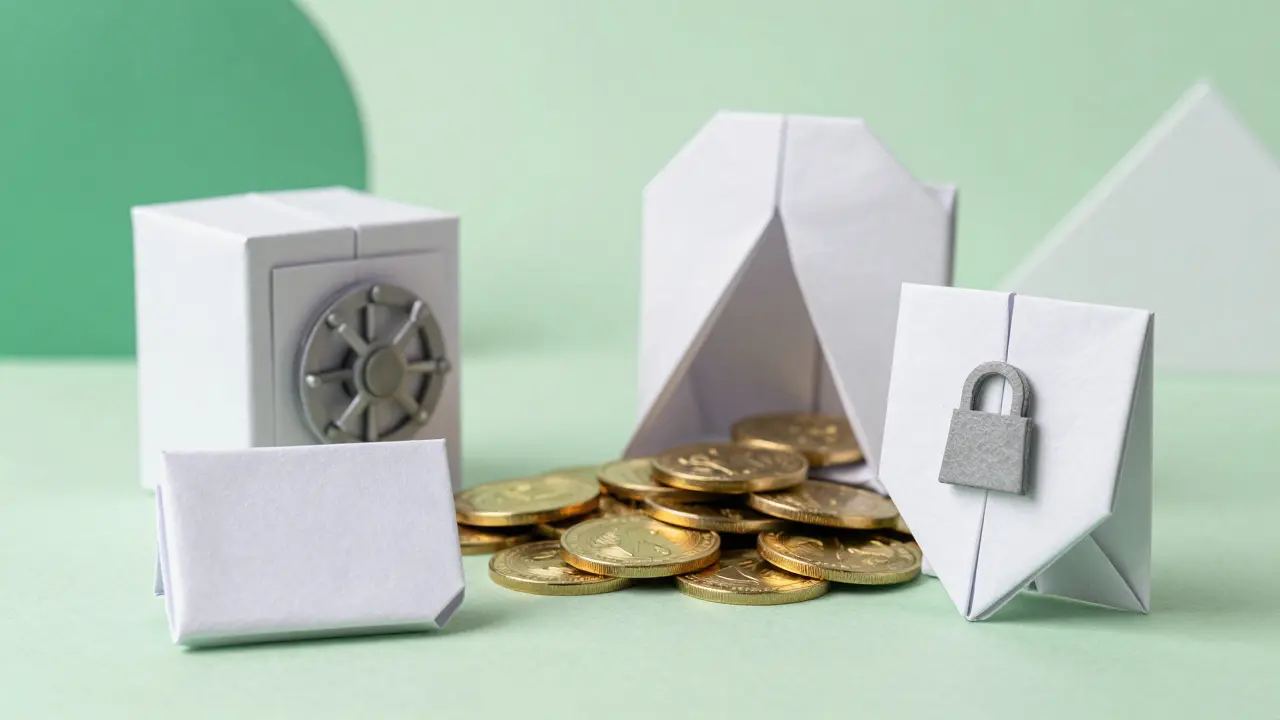
- Use a Hardware Wallet: Regardless of the exchange, never store long-term holdings on a platform. Buy a Ledger or Trezor hardware wallet. Move your crypto off the exchange after buying it. This protects you even if the exchange gets hacked or goes bankrupt.
Conclusion: Protect Your Capital
The cryptocurrency market is full of opportunity, but it is also rife with predators. BitFriends Exchange lacks the transparency, regulatory backing, and community trust required to be considered a safe place for your money. The risks far outweigh any potential benefits. Instead of gambling on an unverified platform, choose a regulated exchange like Coinbase, Kraken, or Binance. Trade responsibly, secure your assets with hardware wallets, and remember: if it sounds too good to be true, it is almost certainly a scam.
Is BitFriends Exchange a scam?
While we cannot legally declare a company a scam without a court ruling, BitFriends exhibits all the classic signs of a fraudulent operation. It lacks regulatory licenses, has no verifiable leadership team, and is absent from reputable financial watchdog lists. Users report difficulties withdrawing funds, which is a primary indicator of a scam. It is highly recommended to avoid depositing funds into this platform.
Why can't I find reviews for BitFriends Exchange?
The lack of independent reviews is a major red flag. Legitimate exchanges have years of user feedback on sites like Trustpilot, Reddit, and specialized crypto forums. New or fake platforms often rely on fake reviews posted by bots on their own site or obscure blogs. If you can't find unbiased third-party opinions, assume the platform is unsafe.
What are the safest crypto exchanges in 2026?
The safest exchanges are those that are regulated by major financial authorities and have a long track record. Top choices include Coinbase (publicly traded, US-regulated), Kraken (known for security and audits), and Binance (largest volume, but requires careful regional compliance). Always check if the exchange holds licenses in your country of residence.
How do I recover money lost to a fake exchange?
Recovering funds from a crypto scam is extremely difficult. First, contact your bank or credit card provider immediately to dispute the transaction if you used fiat currency. Second, report the incident to your local law enforcement and cybercrime units (such as the FBI's IC3 in the US or Action Fraud in the UK). Third, report the platform to relevant financial regulators. Unfortunately, once crypto is moved to a private wallet, it is nearly impossible to trace and recover.
Can I trust exchanges that promise high guaranteed returns?
No. Guaranteed high returns are the hallmark of Ponzi schemes and investment fraud. Cryptocurrency markets are volatile, and no legitimate trader or platform can guarantee profits. If an exchange promises you will make money without risk, it is a scam designed to steal your principal investment.
What is a pig butchering scam?
A pig butchering scam is a long-con fraud where scammers build a romantic or friendly relationship with a victim over weeks or months. They gradually convince the victim to invest in a fake crypto platform. The victim sees fake profits and increases their investment. Eventually, the scammers disappear with all the funds. BitFriends may be used as a vehicle for this type of scam.
Should I use a hardware wallet instead of an exchange?
Yes, for long-term storage. Exchanges are convenient for trading, but they are targets for hackers. A hardware wallet like Ledger or Trezor keeps your private keys offline, giving you full control over your assets. Even if the exchange goes bankrupt or is hacked, your funds remain safe in your hardware wallet.