
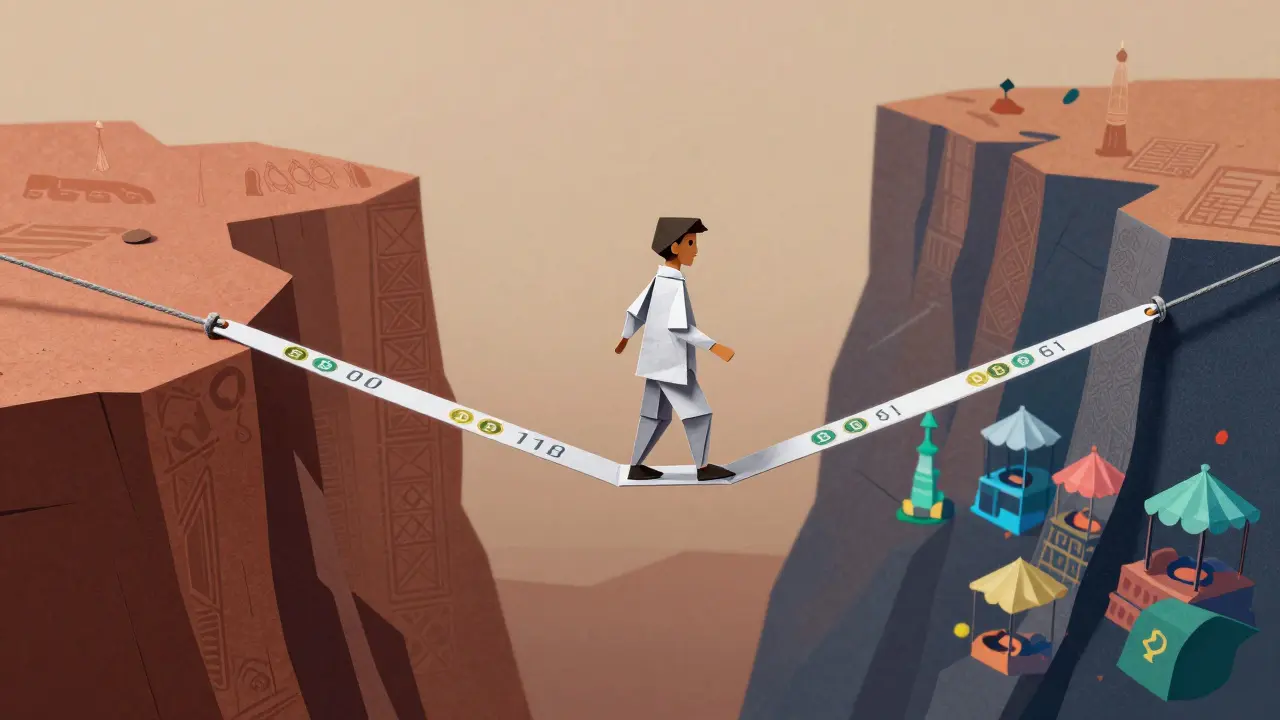
Buying Bitcoin or Ethereum in Morocco feels like walking a tightrope without a net. On one side, you have a government that officially declared all cryptocurrency transactions illegal back in November 2017. On the other, you have over 1.2 million Moroccans actively trading digital assets every day. It sounds contradictory, right? But this is the reality on the ground in 2026.
If you are trying to navigate the Moroccan crypto landscape, you need more than just a wallet address. You need to understand why the ban exists, how people are actually getting around it, and what the sudden shift toward regulation means for your money. The rules are changing fast, and ignorance of the law is no longer an excuse when banks start freezing accounts.
The Official Stance: Why Morocco Banned Crypto
To understand the current chaos, we have to look at the origin story. In November 2017, Bank Al-Maghrib, the central bank of Morocco, issued a formal statement declaring all cryptocurrency activities illegal. This wasn't a vague warning; it was a hard line drawn in the sand. The Ministry of Economy and Finance backed this up, citing two main fears: financial stability and foreign exchange control.
Morocco has strict capital controls. The government wants to keep the Moroccan Dirham (MAD) stable and prevent capital flight. Cryptocurrencies, by their very nature, allow money to move across borders instantly and anonymously. This threatens the state's ability to monitor where money goes. Unlike Egypt, which banned crypto partly due to religious rulings deeming it haram, Morocco’s ban is purely economic and regulatory. They fear that unregulated digital assets could destabilize the banking sector and undermine the dirham’s value.
This prohibition covers everything. Buying, selling, mining, and using crypto for payments are all technically illegal. There are no licensed exchanges operating within the country. If you try to open an account with a major international exchange using a Moroccan IP address or ID, you will likely be blocked immediately.
The Paradox: High Adoption Despite the Ban
Here is the twist that confuses many outsiders: banning something doesn’t make it disappear. In fact, in Morocco, it made it grow underground. According to TRM Labs’ 2025 report, Morocco ranks 21st globally for cryptocurrency adoption. That puts it ahead of many countries with fully legal crypto markets. How does that happen?
Economic pressure is the primary driver. Between 2020 and 2025, the Moroccan dirham lost about 22% of its value against the US dollar. With annual inflation hitting 6.8% in 2025, young Moroccans looked for a way to protect their savings. A survey by the Casablanca Digital Institute found that 68% of crypto users aged 18-35 view digital assets as essential for wealth preservation. They aren’t necessarily looking to get rich quick; they are trying to stay afloat.
The demographic is also telling. About 83% of Moroccan crypto users are between 18 and 35 years old. These are digitally native citizens who see the ban as an outdated restriction. They don’t care about the legal theory; they care about the practical outcome. As long as there is demand for a hedge against inflation, the market will find a way, even if it has to go dark.
| Metric | Value / Status |
|---|---|
| Global Adoption Rank | 21st (TRM Labs 2025) |
| Active Users | ~1.2 Million |
| Market Size (2025) | $278.7 Million |
| Primary User Age | 18-35 (83%) |
| Legal Status | Illegal (since Nov 2017) |
| Dirham Devaluation (2020-2025) | -22% vs USD |
How People Trade: The Underground Ecosystem
Since you can’t just buy Bitcoin on Coinbase with a Moroccan bank card, traders have developed a robust, albeit risky, alternative ecosystem. The vast majority of transactions-about 78%-happen through Peer-to-Peer (P2P) platforms and Over-the-Counter (OTC) dealers.
Platforms like Binance P2P or LocalBitcoins (before its shutdown) became lifelines. Users connect directly. One person offers Bitcoin, another pays via bank transfer, mobile money, or cash. The platform holds the crypto in escrow until the payment is confirmed. It sounds simple, but it comes with significant dangers.
The biggest risk is fraud. The Casablanca Digital Institute reported that 31% of surveyed users experienced at least one fraudulent transaction. Scammers might claim they sent money when they didn’t, or they might use stolen funds from third parties. When the real owner of those funds reports the theft, the bank freezes the recipient’s account. This leads to the second major risk: bank account freezes.
About 42% of active users have had their accounts frozen at some point because banks flagged suspicious crypto-related transfers. Banks in Morocco are under pressure to comply with Anti-Money Laundering (AML) laws. If they see repeated transfers to individuals who then vanish, they will lock your account to investigate. For many Moroccans, losing access to their primary bank account is a nightmare that can take weeks or months to resolve.
The Turning Point: Regulation on the Horizon
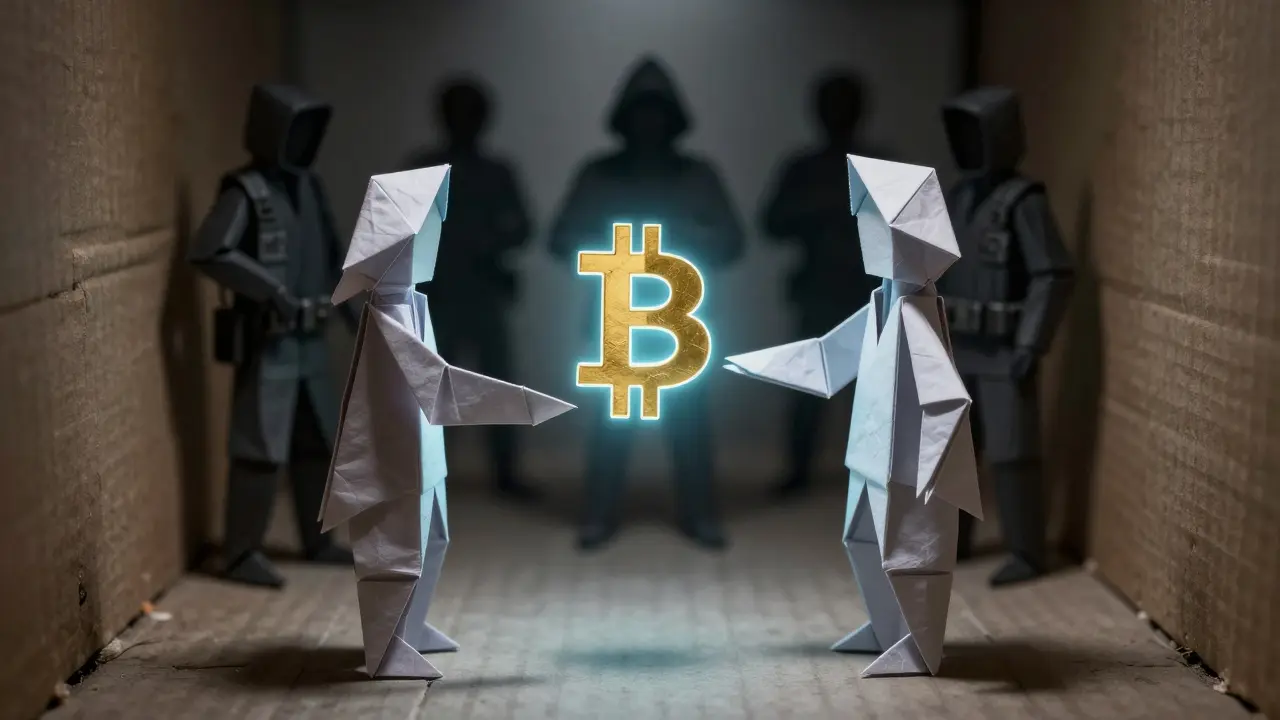
Something shifted in late 2024. Bank Al-Maghrib Governor Abdellatif Jouahri announced that a draft law to regulate and legalize cryptocurrency was in the works. This was not just talk; it signaled a fundamental change in strategy. The government realized that a total ban was ineffective. It pushed activity underground, making it harder to tax and regulate, while doing nothing to stop the actual flow of money.
The proposed framework, expected to be finalized by the end of 2025 or early 2026, aims to bring crypto into the light. Key elements include:
- Mandatory Licensing: Crypto exchanges will need licenses from Bank Al-Maghrib to operate legally.
- KYC and AML Compliance: Strict Know Your Customer procedures to prevent money laundering and terrorism financing.
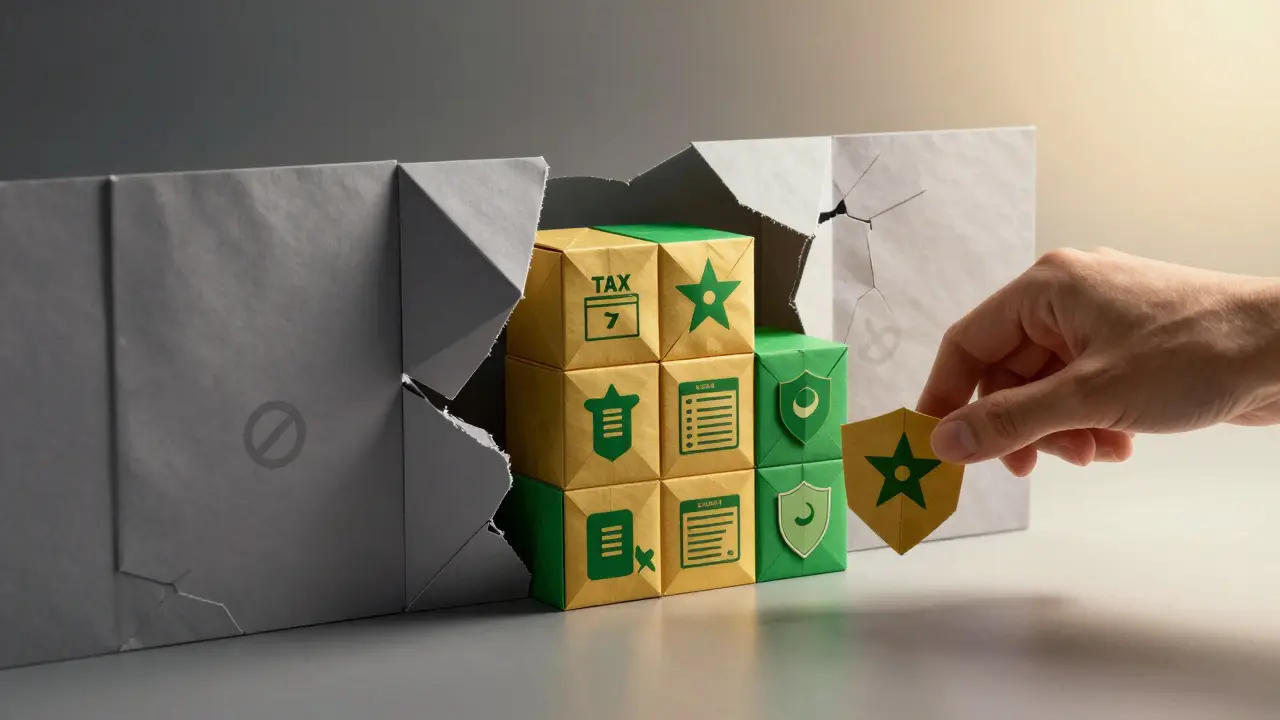
- Taxation: A 15% capital gains tax on crypto profits. This acknowledges crypto as a taxable asset class.
- Consumer Protection: Regulations designed to reduce fraud and protect retail investors.
This shift aligns Morocco with global trends. Countries that embraced regulation saw their crypto markets grow responsibly. Analysts predict that once these rules are clear, the formal market could grow by 45% annually, potentially reaching 2.5 million users by 2027. The underground market is expected to shrink by 60% as users migrate to safer, regulated platforms.
The CBDC Alternative: Central Bank Digital Currency
While regulating private cryptocurrencies, Bank Al-Maghrib is also building its own digital currency. This is known as a Central Bank Digital Currency (CBDC). Unlike Bitcoin, which is decentralized and volatile, a CBDC is issued and controlled entirely by the central bank. It is essentially a digital version of the Moroccan dirham.
Governor Jouahri has been working with the International Monetary Fund (IMF), the World Bank, and even Egypt’s central bank to develop this system. The goal is to improve cross-border payments and increase financial inclusion. By mid-2026, pilot programs may begin. For the average user, a CBDC would offer the speed of crypto without the legal risks or price swings. However, it lacks the privacy and decentralization that attract many crypto enthusiasts.
This dual approach-regulating private crypto while launching a public CBDC-suggests Morocco wants to harness the technology without surrendering control. It’s a pragmatic move. The government recognizes that digital finance is the future, but it insists on steering the ship itself.
Risks and Realities for Users in 2026
So, what should you do if you are in Morocco today? The transition period is messy. The ban is still technically in place, but the enforcement might be softening as the new laws are drafted. Here is what you need to watch out for.
Bank Monitoring is Intensifying: Banks are using AI-driven tools to detect crypto patterns. Even if you use P2P, large or frequent transfers can trigger alerts. Keep records of your transactions. If your account gets frozen, having proof that the funds were for legitimate personal investment (not money laundering) can help, though it’s not guaranteed.
Avoid Mining: Crypto mining remains explicitly illegal and carries heavy penalties. The energy consumption involved conflicts with national energy goals, and the government has zero tolerance for mining operations. Do not attempt to set up a mining rig in Morocco.
Beware of OTC Scams: If you must trade P2P, stick to highly rated merchants on reputable platforms. Never release crypto before confirming the money is in your bank account. Use escrow services whenever possible. The learning curve for safe trading is steep-it takes 8-12 weeks for beginners to master the necessary security habits.
Prepare for Taxation: If the new law passes as planned, you will owe 15% tax on your gains. Start keeping detailed records now. Ignorance won’t save you when the tax authority asks for your ledger.
Conclusion: Navigating the Gray Zone
Morocco’s crypto journey is a lesson in resilience. The government tried to ban the internet age, and the people adapted. Now, the government is adapting too. The complete ban of 2017 is giving way to a complex regulatory framework that seeks to balance innovation with control.
For users, this means the wild west days are ending. The risks are shifting from outright illegality to compliance failures. Fraud, bank freezes, and tax evasion are the new enemies. As the draft law moves closer to enactment in 2026, the window for anonymous, unregulated trading is closing. Smart players are preparing for a regulated future, where transparency and documentation are key to staying in the game.
Is cryptocurrency completely illegal in Morocco in 2026?
Technically, yes. The ban enacted in November 2017 is still the official law. However, a draft law to regulate and legalize crypto is in the final stages of adoption. Enforcement is currently inconsistent, but the trend is moving toward regulation rather than permanent prohibition.
Can I use Binance or Coinbase in Morocco?
Most major international exchanges block users with Moroccan IP addresses or identification documents due to the legal restrictions. Many Moroccans use Peer-to-Peer (P2P) sections on these platforms or offshore exchanges, but this carries higher risks of account bans and fund loss.
Why did Morocco ban cryptocurrency?
The primary reasons are financial stability and foreign exchange control. Bank Al-Maghrib fears that unregulated crypto could lead to capital flight, undermine the Moroccan Dirham, and facilitate money laundering or terrorism financing.
What happens if my bank account gets frozen for crypto?
If your account is frozen, you must contact your bank immediately. They may require proof that the transactions were not related to illegal activities. Resolution can take weeks or months. It is crucial to keep detailed records of all crypto-related trades to demonstrate legitimacy.
Will Morocco introduce its own digital currency?
Yes. Bank Al-Maghrib is actively developing a Central Bank Digital Currency (CBDC) in collaboration with the IMF and World Bank. This digital dirham is intended for cross-border payments and domestic efficiency, offering a regulated alternative to private cryptocurrencies.
Is crypto mining legal in Morocco?
No. Crypto mining has been explicitly illegal since November 2017. The government cites high energy consumption and lack of regulatory oversight as reasons. Engaging in mining can result in severe legal penalties.
What taxes will apply to crypto in the new framework?
The proposed draft law includes a 15% capital gains tax on cryptocurrency profits. This means any profit made from buying low and selling high will be subject to taxation once the regulation is fully implemented.


Kim Kay
hey there, just wanted to say that this is such an important topic for so many people. it’s really scary how hard it is to keep your money safe when the rules change all the time. i hope everyone stays careful and looks out for each other. we need more support like this in our communities.
Korn Arrieta
The regulatory framework proposed by Bank Al-Maghrib is fundamentally flawed because it assumes compliance where none exists. The 15% capital gains tax is a blunt instrument that will drive liquidity offshore rather than into domestic regulated entities. You are ignoring the velocity of money in P2P markets which operates entirely outside these bureaucratic constraints. This is not regulation; it is taxation without representation.
Ruth Williams
One must appreciate the sheer audacity of assuming that a nation with such rigid capital controls can seamlessly transition into a liberalized crypto market. It is naive to believe that the average citizen possesses the financial literacy required to navigate these complexities without succumbing to fraud. The elite always find ways to preserve wealth, while the masses are left to pick up the pieces of failed policies.
Sophie Nakasako
I find it fascinating how resilience shapes economic behavior. When traditional systems fail to protect value, people innovate. This isn't just about greed; it's about survival and dignity. How do you think this shift will impact the younger generation's trust in government institutions? I believe it could foster a deeper understanding of decentralized autonomy.
Kristy Morrow
you think regulation fixes anything it just creates new elites who get to play the game while the rest of us pay the price. the ban was never about safety it was about control. now they want their cut too. dont fall for the narrative that this is progress. its just another layer of extraction
John Harman
Look, I've been trading since 2013 and let me tell you, Morocco is playing catch-up. The CBDC thing is a red herring. They want to track every penny you spend. Real freedom is off-chain. If you're using Binance P2P, you're already doing it wrong if you're not using escrow properly. Most people lose money because they're lazy, not because the system is rigged.
Antony Lopez
This is a direct threat to national sovereignty. Allowing foreign digital assets to circulate undermines the Dirham and weakens our banking sector. We should be proud of our local currency. Crypto is a tool for criminals and speculators, not for honest citizens. The government is right to restrict it until we have total control over the technology.
Kat Barr
Oh my gosh, this is so stressful!!! 😱 But also kinda exciting?? Like, imagine if it actually works out! 🌟 Just please, everyone, be super careful with your info! Don't let anyone scam you!! 💖 Sending good vibes to all the traders out there!! 🙏✨
Logan Edmison
the whole idea of banning money is stupid. money is energy. you cant stop energy from moving. they try to block it but it finds a way through the cracks. its like trying to hold back water with your hands. eventually you just get wet and tired. let it flow or drown
Michelle Walker
Fraud rates of 31% are unacceptable. This indicates a complete failure of consumer protection mechanisms. The proposed KYC measures are insufficient to mitigate risk. Users are operating in a vacuum of accountability. Stop complaining and start securing your assets or get out of the market. Weakness attracts predators.
DJ Maleko
Hey guys! 👋 Did you know that 83% of users are under 35? That's huge! 🤯 It shows that young people are taking charge of their financial future! 💪 What do you think about the new tax laws? Let me know your thoughts! 🧐💬
Erika Pozzetto
It is imperative to consider the broader implications of this regulatory shift on global financial inclusion. The integration of blockchain technology within emerging markets presents both opportunities and challenges that require nuanced analysis. We must ensure that the benefits of decentralization are equitably distributed among all participants in the ecosystem.
Russ Fincham
The article misses the point about inflation. People aren't buying crypto because they love tech; they're buying it because the Dirham is trash. You can regulate it all you want, but if your currency loses 22% value, people will find alternatives. It's basic economics. The ban was always going to fail.
Linda Hilliard
Let's be real here, the 'underground ecosystem' is just a polite term for a chaotic mess of unregulated speculation. The fact that 42% of users have had accounts frozen proves that the current model is unsustainable. Professional traders understand that liquidity requires stability. Without proper institutional frameworks, this is just gambling with high stakes. :)
Winston Lacewing
This is absolutely outrageous!!! 😡 How dare they freeze people's accounts?! It's a violation of human rights to take away someone's livelihood! 🚫 We need to stand together and fight this injustice! No more silence! Speak up now!!! ✊🔥
Kristine Lawson
The moral implications of facilitating anonymous transactions are deeply concerning. By enabling capital flight, these platforms contribute to the erosion of social responsibility. Citizens have a duty to support their national economy. Engaging in illicit financial activities undermines the very fabric of society. We must uphold ethical standards in finance.
Tawny Holmes
Mining is illegal. Period. Don't try it. You'll get caught. The energy costs alone make it a bad idea. Stick to trading if you must, but don't touch hardware. It's a trap.
Deep Rahman
I often wonder if the true nature of money is simply trust. When that trust breaks down in local currencies, people look elsewhere. It is not rebellion, it is adaptation. The government sees this as a threat, but perhaps it is merely a mirror reflecting their own failures. We must ask ourselves what value truly means in a digital age.
Melissa Beckwith
I have observed similar patterns in other developing economies where capital controls lead to black markets. The key issue is that the regulatory response is always reactive rather than proactive. By the time laws are passed, the technology has already evolved. This lag ensures that regulators will always be behind the curve, leading to perpetual instability for users.
Josephine Finlayson
I think it's wonderful that people are finding ways to protect their savings! 🌸 It shows so much creativity and strength. Let's hope the new regulations bring peace and clarity to everyone involved. We should support each other through this transition period. Kindness goes a long way!
Tuan Nguyen
The notion that a CBDC offers 'financial inclusion' is laughable. It is merely a surveillance tool disguised as innovation. The elite will continue to use offshore structures while the masses are tracked via digital dirhams. Do not mistake control for convenience. This is the end of privacy, not the beginning of prosperity.
Hazel Fruitman
its just crazy how they try to ban something that everyone uses. people are smart. they know whats best for them. the gov needs to chill and let us handle our own money. its not rocket science. stop making it hard for no reason.
Autumn Story
Wow, this is a lot to take in! 😮 But I guess it makes sense why people are turning to crypto. It must be really tough to watch your savings shrink. I hope things get better soon! Please stay safe and take care of yourselves! 🌼💕
Mark Tuason
It is important to approach this situation with caution and respect for the law. While the desire for financial security is understandable, engaging in illegal activities carries significant risks. I recommend waiting for the official regulations to be implemented before making any major decisions. Patience is key.
Ella Collinson
The asymmetry of information in P2P markets creates adverse selection problems. Retail investors are systematically disadvantaged against sophisticated actors. The lack of standardized dispute resolution mechanisms exacerbates this imbalance. Regulatory intervention is necessary to correct these market failures and ensure fair participation.
Ray Arney
I agree with the points about fraud. It's a big problem. Using escrow is the only way to go. If you skip that step, you're asking for trouble. Keep it simple and stay safe. Good luck to everyone.
Andrew Schneider
Oh, the irony! 🎭 They banned it because it's 'risky', yet they want to tax it once it's 'safe'? Classic double standard! 😂 The people are the real heroes here, navigating the gray zone like ninjas! 🥷 Don't let them tell you how to manage your destiny! 💥🚀