
You’ve probably seen headlines about people selling pixelated monkeys for millions or artists making a fortune from digital jpegs. It sounds like magic, but it’s actually just clever computer code. If you’re trying to figure out how NFTs work on blockchain, you’re not alone. Most explanations get bogged down in technical jargon that leaves you more confused than when you started.
Here is the short version: An NFT (Non-Fungible Token) is a digital receipt of ownership stored on a public ledger called a blockchain. It doesn’t own the image itself; it owns the right to say you are the original owner of that specific digital item. Think of it like buying an original painting versus printing a poster of it at home. The poster looks identical, but only one person holds the certificate of authenticity for the real thing.
The Core Concept: Fungibility vs. Non-Fungibility
To understand NFTs, you first have to understand what they are not. Take a $20 bill. You can swap your $20 bill for my $20 bill, and neither of us cares. They are interchangeable. In economics, this is called being "fungible." Bitcoin works the same way. One Bitcoin equals another Bitcoin. No matter which specific coin you hold, the value is identical.
NFTs break this rule. They are "non-fungible." This means each token is unique and cannot be exchanged on a one-to-one basis with another token. Why? Because every NFT has a unique identifier embedded in its code. This uniqueness allows them to represent scarce digital items. Whether it’s a piece of art, a ticket to a concert, or a deed to a virtual house, the blockchain verifies that this specific item belongs to you and no one else.
Is an NFT just a picture?
No. An NFT is a cryptographic record on a blockchain that points to a digital asset. When you buy an NFT, you usually own the token, not the copyright to the underlying file (like the JPEG). Anyone can right-click and save the image, but only you hold the verifiable proof of ownership recorded on the network.
The Technical Engine: Smart Contracts and Standards
NFTs don’t float around in space; they live inside something called a smart contract. A smart contract is a self-executing program on a blockchain that enforces rules without human intervention. When you mint an NFT, you are essentially creating a new entry in this contract. The contract keeps track of who owns what, and it automatically handles transfers when you sell the token.
For these contracts to work across different platforms, developers needed a common language. This led to the creation of token standards. The most famous is ERC-721. ERC-721 is the standard protocol for creating non-fungible tokens on the Ethereum blockchain, ensuring each token has a unique ID. Created in 2017, it became the blueprint for almost all early NFT projects. Later, ERC-1155 was introduced, allowing a single contract to manage multiple types of tokens, which is great for video games where you might have many copies of a sword but only one rare helmet.
These standards ensure that if you buy an NFT on one marketplace, you can likely sell it on another, as long as they both support the same standard. It’s like how a USB-C cable works with phones, laptops, and tablets because they all follow the same physical and digital specifications.
Where Does the Data Live? Metadata and Storage
This is where things get tricky, and where many beginners make mistakes. The blockchain itself is expensive to store data on. So, while the *ownership record* lives on the blockchain, the actual digital file (the image, video, or audio) usually lives elsewhere. This connection is made through metadata.
Metadata is a small text file that contains information about the NFT: its name, description, creator, and a link to the actual media file. Early NFTs often stored these files on centralized servers like Amazon Web Services. This created a risk: if the server went down or the company shut down, the link broke, and your NFT pointed to nothing. This happened to several major collections in 2021.
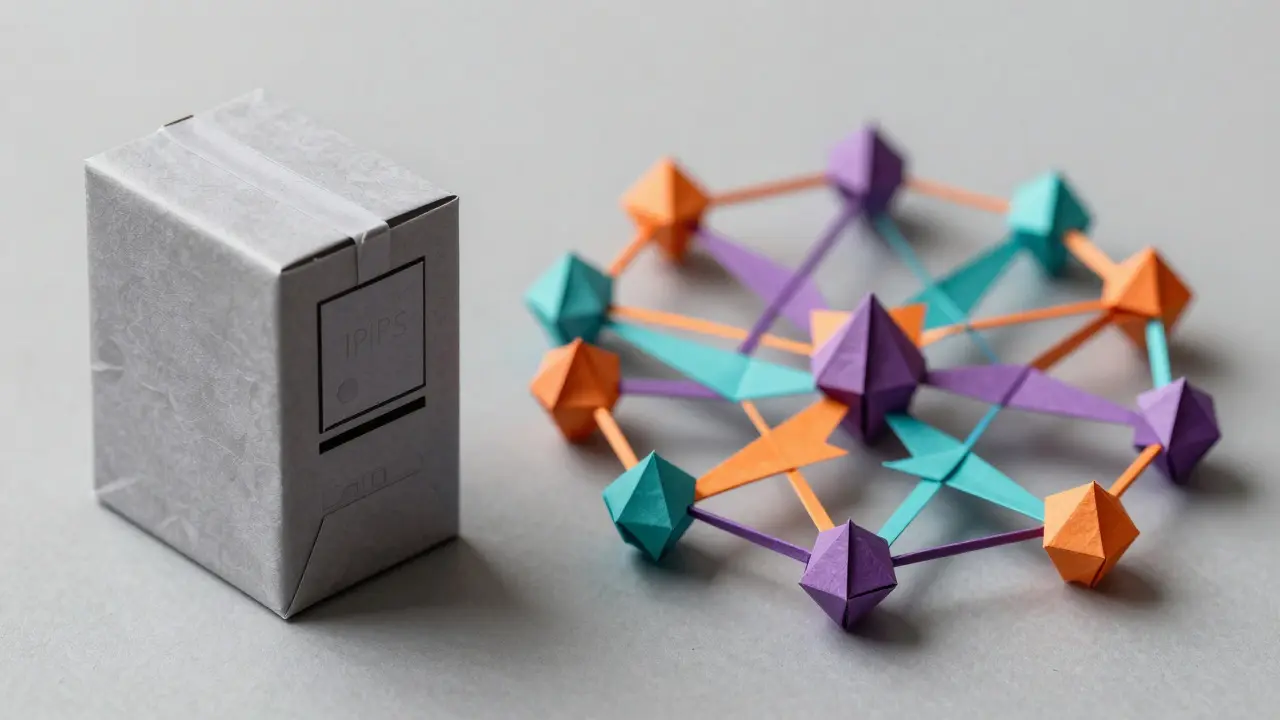
To fix this, the industry moved toward decentralized storage solutions like IPFS (InterPlanetary File System). IPFS is a peer-to-peer hypermedia protocol designed to make the web faster, safer, and more open by distributing data across a network of computers. Instead of one server holding the file, thousands of computers around the world store pieces of it. This makes the asset much harder to lose or censor. When you buy an NFT today, always check if the metadata is stored on IPFS or a similar decentralized system like Arweave.
| Storage Type | Reliability | Cost | Censorship Resistance |
|---|---|---|---|
| Centralized Server (AWS) | Low (Risk of link rot) | Low | None |
| Decentralized (IPFS/Arweave) | High (Permanent/Distributed) | Medium | High |
| Fully On-Chain | Highest (Stored directly on blockchain) | Very High | Maximum |
Minting: Creating Your Own NFT
“Minting” is the process of creating an NFT and putting it onto the blockchain. You don’t need to be a coder to do this anymore. Platforms like OpenSea allow you to upload a file and mint it with a few clicks. However, understanding what happens behind the scenes helps you avoid costly errors.
When you mint, you pay a transaction fee, known as “gas.” This fee compensates the validators who secure the network. On Ethereum, gas fees can fluctuate wildly. During busy times, minting a single NFT might cost $50 or more. During quiet times, it might be under $2. This volatility has driven many users to alternative blockchains like Solana or Polygon, which offer near-instant transactions for fractions of a cent.
Before you mint, you must set up a digital wallet. MetaMask is the most popular wallet for Ethereum-based NFTs, acting as a bridge between your browser and the blockchain. Your wallet holds your private keys-essentially the password to your assets. If you lose your seed phrase (the list of 12-24 words), you lose access to your NFTs forever. There is no “forgot password” button on the blockchain.
Buying and Selling: How Marketplaces Function
Marketplaces like OpenSea, Blur, and Magic Eden act as front-ends for the blockchain. They don’t hold your NFTs; they simply display them and facilitate trades. When you list an NFT for sale, you are creating a listing on the smart contract. When someone buys it, the contract automatically transfers the token to their wallet and sends the cryptocurrency to yours.
A key feature of modern NFT marketplaces is royalty enforcement. Creators can program a percentage (usually 5-10%) into the smart contract. Every time the NFT is resold, that percentage goes directly to the original artist. This was a revolutionary change for digital creators, who previously had no way to earn from secondary sales. However, enforcement varies by platform and blockchain, so it’s not guaranteed everywhere.
Beyond Art: Real-World Utility
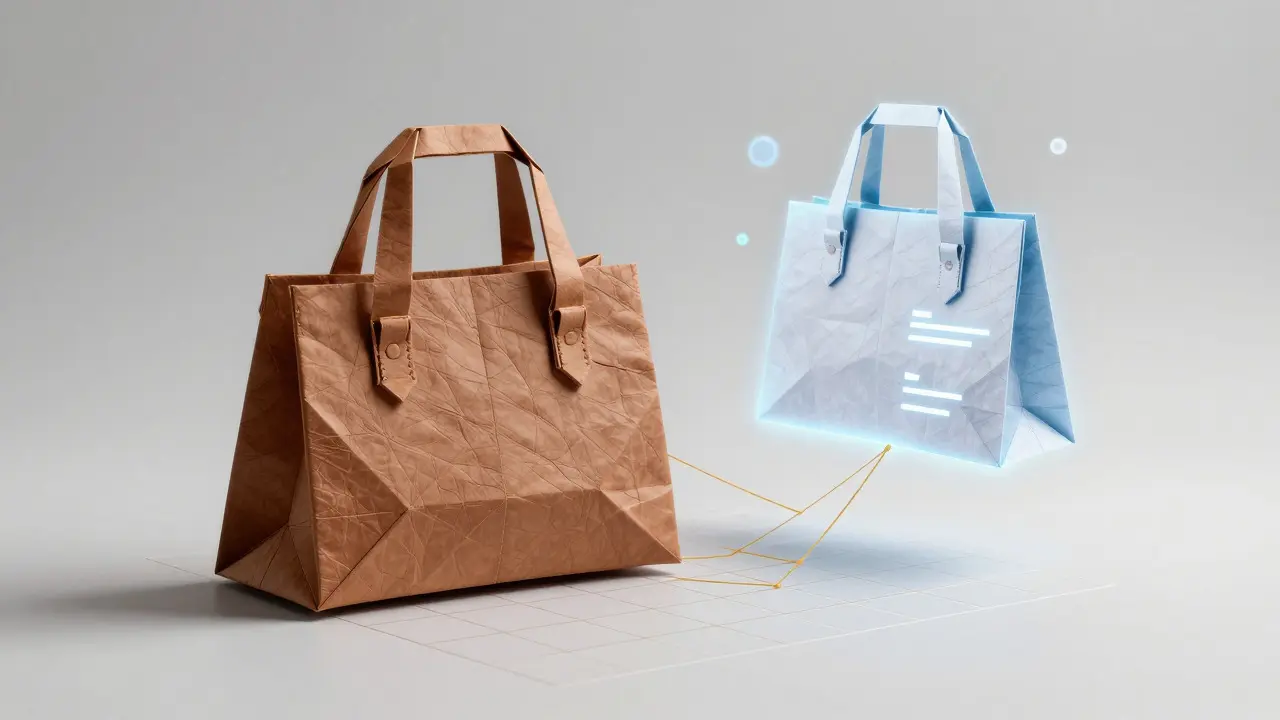
While digital art got the headlines, NFTs are increasingly used for practical purposes. Major companies are exploring NFTs for supply chain tracking. For example, luxury brands use NFTs to verify the authenticity of handbags and watches, preventing counterfeits. Each physical item gets a paired digital twin on the blockchain.
In gaming, NFTs represent in-game assets like skins, weapons, or land. Unlike traditional games where you rent these items from the developer, NFTs allow you to truly own them. You could theoretically sell a rare sword you earned in Game A to a player in Game B, if the ecosystems are compatible. This concept, often called “interoperability,” is still in its early stages but represents a massive shift in how we view digital property.
Ticketing is another promising area. Concert tickets are frequently faked or scalped. NFT tickets can be programmed to expire after the event, preventing resale fraud. They can also embed perks, like access to backstage areas or exclusive merchandise, redeemable only by the current holder of the token.
Risks and Challenges to Watch
Despite the potential, the NFT space is risky. First, there is the issue of scams. “Rug pulls” happen when developers abandon a project after collecting money, leaving investors with worthless tokens. Always research the team behind a project before buying.
Second, environmental concerns persist. While Ethereum switched to Proof-of-Stake in 2022, reducing energy consumption by over 99%, some older chains still use energy-intensive methods. If sustainability matters to you, check which consensus mechanism the blockchain uses.
Finally, regulatory uncertainty remains. Governments are still figuring out how to tax and regulate digital assets. In the US, the SEC has scrutinized certain NFT projects, questioning whether they constitute securities. Keep an eye on legal developments in your region, as they could impact liquidity and trading options.
Do I own the copyright when I buy an NFT?
Usually, no. Buying an NFT typically grants you ownership of the token, not the intellectual property rights to the underlying artwork. You can display it, trade it, and brag about it, but unless the smart contract explicitly states otherwise, you cannot print t-shirts with the image and sell them without permission from the creator.
What happens if the blockchain shuts down?
Major blockchains like Ethereum are decentralized networks maintained by thousands of nodes worldwide. It is highly unlikely they will “shut down.” However, if a specific sidechain or lesser-known blockchain fails, your NFTs on that chain could become inaccessible. This is why storing assets on established, secure networks is generally safer.
Why are gas fees so high sometimes?
Gas fees reflect demand. When many people try to transact at once, users bid up the price to get their transactions processed faster. It’s like traffic on a highway: during rush hour, you might pay extra to take a toll road that moves quicker. Layer 2 solutions like Arbitrum or Optimism help reduce these costs by processing transactions off the main chain.
Can NFTs be copied?
The digital file (image/video) can be copied easily, just like any other file on the internet. But the NFT itself-the proof of ownership on the blockchain-cannot be duplicated. Two people can have the same JPEG, but only one can hold the authentic token associated with it.
Is it safe to connect my wallet to a marketplace?
Reputable marketplaces like OpenSea are generally safe, but you should always double-check URLs to avoid phishing sites. Never share your seed phrase with anyone. Using a separate “hot wallet” for trading, rather than your main cold storage wallet, adds an extra layer of security against potential hacks.