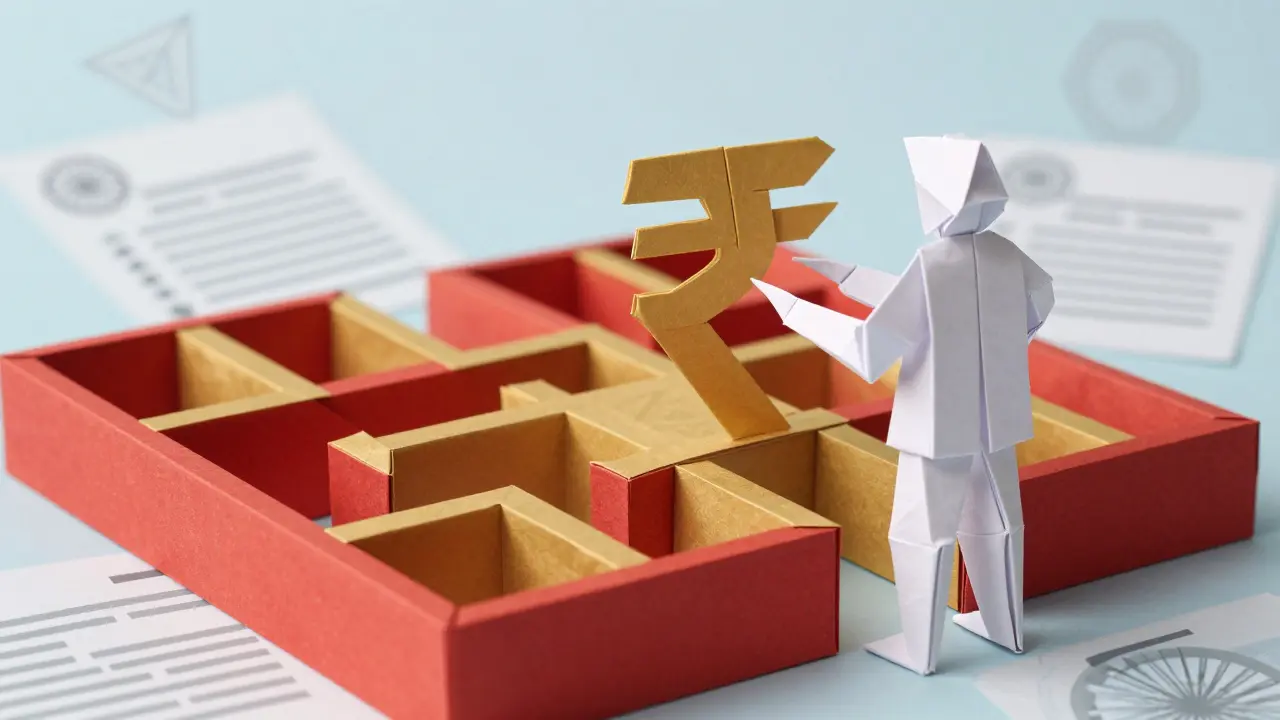
Buying cryptocurrency with fiat money in India isn't just about clicking a 'Buy' button. It involves navigating a strict regulatory framework that includes mandatory taxes and identity verification. If you are trying to convert your hard-earned Rupees into Bitcoin or Ethereum, you need to know the rules before you spend a single rupee.
The landscape has changed significantly since the early days of unregulated trading. Today, the government allows you to own and trade crypto, but it treats these profits as taxable income with heavy penalties for non-compliance. This guide breaks down exactly how to buy crypto legally and safely in 2026, avoiding common pitfalls like hidden fees or account freezes.
Understanding the Legal Landscape
First, let's clear up the confusion. Is crypto legal in India? Yes. The Supreme Court struck down the Reserve Bank of India's (RBI) ban on digital assets in March 2020. However, legality does not mean freedom from regulation. The Union Budget of 2022 introduced a specific tax regime for Virtual Digital Assets (VDAs).
You face two main financial hurdles:
- A flat 30% tax on all capital gains from crypto sales, plus a 4% health and education cess.
- A 1% Tax Deducted at Source (TDS) on every transaction exceeding ₹50,000 (or ₹10,000 for specified persons), as per Section 194S of the Income Tax Act.
This means if you sell crypto for a profit, the government takes nearly a third of your gains. More importantly, the TDS rule forces exchanges to act as tax collectors. If you use an exchange that doesn't comply with this-like some foreign platforms-you risk having your bank accounts frozen under Prevention of Money Laundering Act (PMLA) regulations. Stick to compliant domestic exchanges to stay safe.
Choosing the Right Exchange
Not all exchanges are created equal. In India, you generally have two choices: domestic exchanges registered with local authorities and international giants. For most users, especially beginners, domestic platforms offer smoother experiences due to better integration with local payment systems.
| Exchange | TDS Compliance | Min. Deposit | Payment Method | Best For |
|---|---|---|---|---|
| WazirX | Yes | ₹100 | UPI, Bank Transfer | Beginners & Small Trades |
| CoinDCX | Yes | ₹500 | UPI, IMPS | User Experience |
| ZebPay | Yes | ₹100 | UPI | Mobile Trading |
| Binance India | No (Manual) | ₹500 | P2P Only | Advanced Traders (High Risk) |
WazirX remains a top choice for many because it accepts low minimum deposits starting at ₹100 and integrates seamlessly with UPI. This is crucial because UPI handles over 119 billion transactions monthly in India, making it the fastest way to move money. Platforms like Kraken, while offering lower fees for large volumes, lack UPI support and require slower bank transfers, which can take 24-48 hours.
Step-by-Step: Buying Crypto with Fiat
Ready to make your first purchase? Here is the exact process you should follow to ensure compliance and security.
- Create an Account: Download the app of your chosen exchange (e.g., WazirX or CoinDCX). Sign up using your mobile number and email address. You will receive an OTP for verification.
- Complete KYC Verification: This is mandatory. You must submit your PAN (Permanent Account Number) card and Aadhaar details. Most apps now ask for a selfie holding your PAN card to prevent fraud. This process usually takes 15-30 minutes to approve.
- Add Funds via UPI: Go to the 'Wallet' or 'Deposit' section. Select INR deposit and choose UPI. Enter your VPA (Virtual Payment Address) or scan the QR code. The funds should reflect in your exchange wallet within seconds. Note that some banks may block direct transfers to crypto exchanges; if this happens, try a different bank account or use the Peer-to-Peer (P2P) marketplace offered by some platforms.
- Place Your Order: Navigate to the trade section. Search for the cryptocurrency you want, such as BTC/INR or ETH/INR. Choose 'Market Buy' for instant execution at current prices, or 'Limit Buy' if you want to wait for a specific price drop.
- Confirm Transaction: Review the fee structure. Remember, if your transaction value crosses the TDS threshold, 1% will be deducted automatically. Confirm the order. Your crypto will appear in your exchange wallet instantly.
Navigating Payment Restrictions
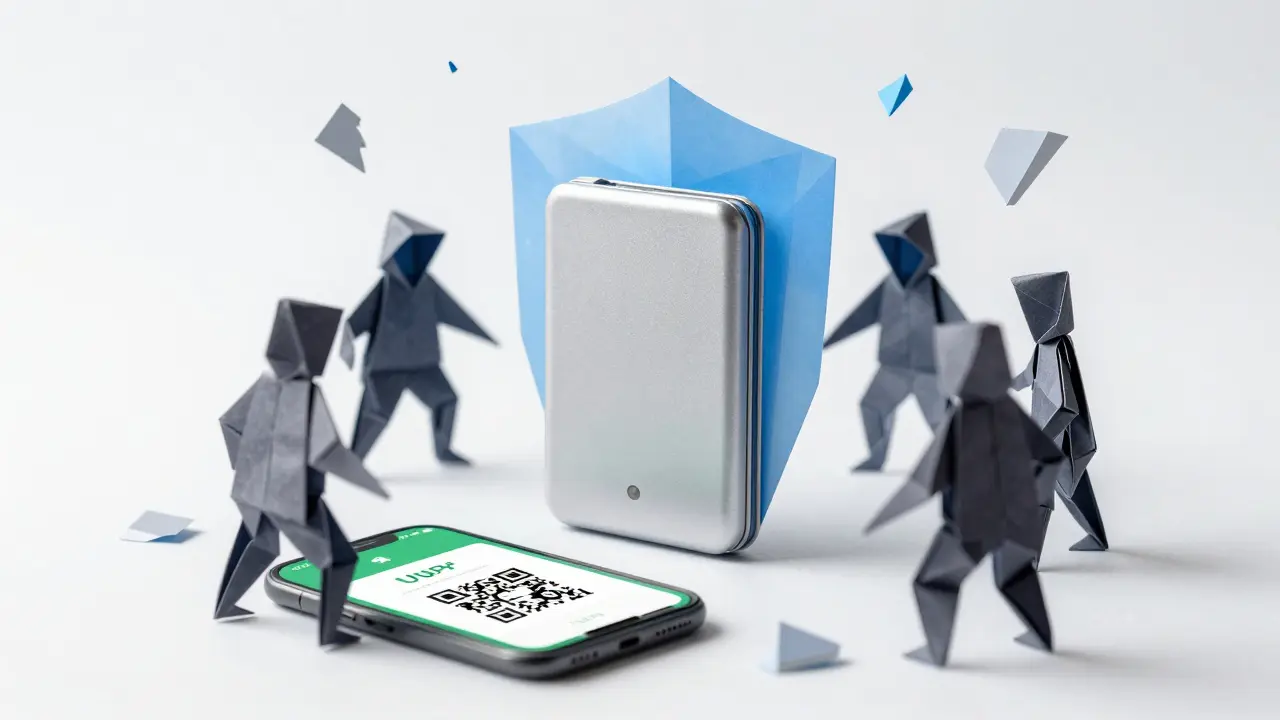
A common frustration for Indian users is when bank transfers fail. Many major banks have internal guidelines that restrict transactions labeled as 'crypto-related.' This isn't a law, but a risk-management policy by individual banks.
To bypass this, avoid sending money directly from your primary salary account if possible. Use a secondary savings account or a dedicated prepaid wallet. Additionally, never mention 'Bitcoin' or 'Crypto' in the remarks field of a bank transfer. Just leave it blank or mark it as 'Personal Use.'
If UPI fails, consider P2P trading. Platforms like Binance (though risky regarding TDS) or local community groups allow you to buy crypto directly from other users. You send fiat via normal bank transfer to their personal account, and they release the crypto to your escrow. However, P2P carries counterparty risk-always check the seller's reputation and trade history before proceeding.
Tax Implications and Record Keeping
This is where most people get into trouble. The 30% tax on gains is harsh, but the bigger issue is reporting. Since April 2023, exchanges are required to report your transaction data to the Income Tax Department under Form 26AS.
You must maintain detailed records of:
- Date of purchase and sale
- Amount paid in INR
- Quantity of crypto bought/sold
- Fees paid
- TDS certificates (Form 16A) issued by the exchange
When filing your annual return, you cannot offset losses from one crypto against profits from another unless they are of the same type (intra-asset loss adjustment). Also, you cannot claim any expenses like internet charges or electricity as deductions. The calculation is simple: (Sale Price - Purchase Price) * 30%. Keep these records for at least six years in case of an audit.
Security Best Practices
Just because you bought crypto doesn't mean you own it securely if it stays on the exchange. Exchanges are prime targets for hackers. In 2024, several Indian platforms faced security breaches resulting in significant user losses.
For small amounts (under ₹50,000), leaving funds on a reputable exchange like WazirX is acceptable for active trading. But for long-term holding, you should withdraw your assets to a self-custody wallet.
Ledger Nano S+ or Trezor Model T are hardware wallets that store your private keys offline. They cost around ₹12,000 but protect your life savings from online hacks. Never share your seed phrase (the 12-24 words generated during setup) with anyone-not even customer support. Scammers often pose as support agents to steal this phrase.
Enable Two-Factor Authentication (2FA) on your exchange account immediately. Do not use SMS-based 2FA if possible; use an authenticator app like Google Authenticator or Authy, which is more secure against SIM-swapping attacks.
Future Outlook: The Digital Rupee
Keep an eye on the RBI's Central Bank Digital Currency (CBDC), known as the Digital Rupee. As of late 2025, Phase 3 retail pilots are underway involving millions of users. While the Digital Rupee is not a cryptocurrency-it is fully centralized and regulated-it may eventually integrate with crypto ecosystems for cross-border settlements.
Regulatory clarity is still evolving. The proposed Crypto Asset Regulation Bill aims to bring more structure, potentially easing the burden on retail investors. Until then, proceed with caution, prioritize compliance, and treat crypto as a high-risk asset class.
Is it illegal to buy crypto in India?
No, buying and owning cryptocurrency is legal in India following the Supreme Court's 2020 ruling. However, it is heavily taxed, and you must comply with KYC and TDS regulations.
Which bank allows crypto transactions in India?
There is no official list of approved banks. Many public sector banks restrict crypto-related transfers. Private banks like HDFC, ICICI, and Axis may allow them, but policies change frequently. Using UPI through multiple apps increases success rates.
What is the minimum amount to buy Bitcoin in India?
You can buy fractional amounts of Bitcoin. On platforms like WazirX, you can start with as little as ₹100. This makes it accessible for small investors without needing lakhs of rupees.
Do I need to pay TDS every time I trade?
Yes, if your transaction value exceeds ₹50,000 (or ₹10,000 for certain categories), a 1% TDS is deducted at source by the exchange. This amount can be claimed as credit against your final tax liability when filing returns.
Can I use Binance in India?
Binance operates in India but does not automatically deduct TDS as required by Indian law. Using it poses regulatory risks, including potential account freezes. Domestic exchanges like CoinDCX or ZebPay are safer for compliance.