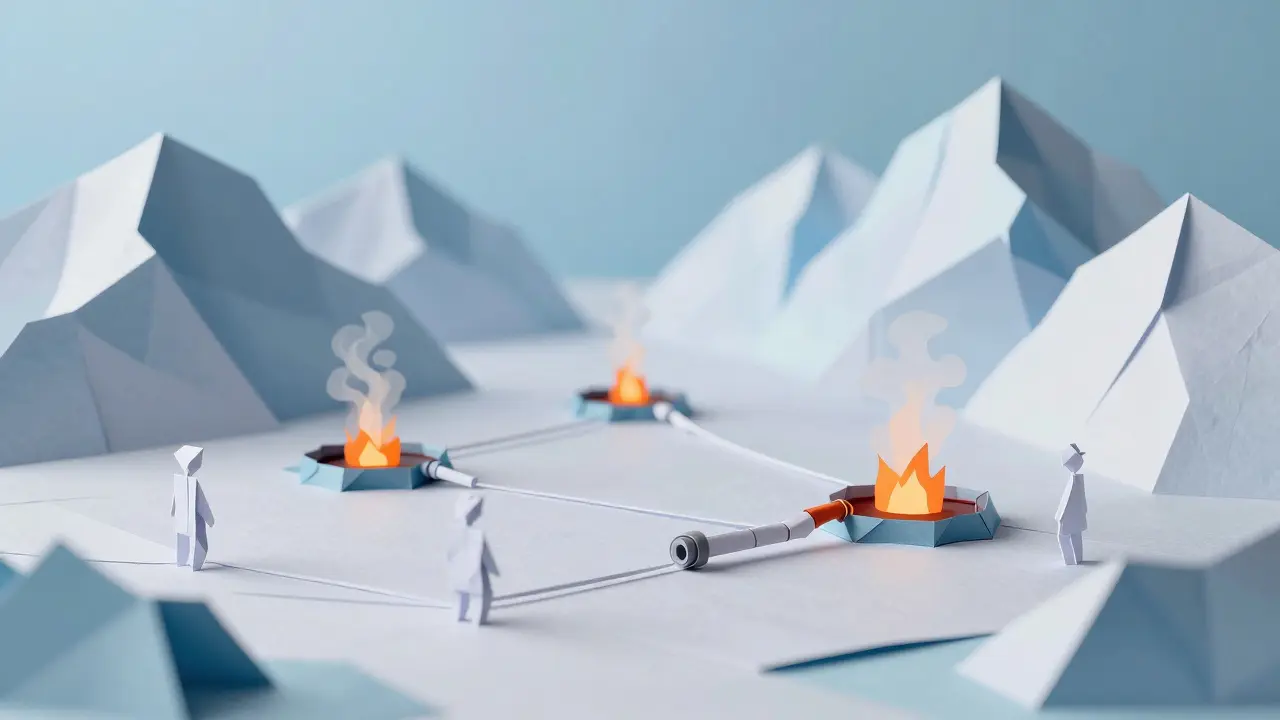
Imagine a country where the air is cold enough to cool your servers for free and the electricity comes from boiling water under the ground. For years, this was the dream setup for crypto mining operations worldwide. Iceland wasn't just a location; it was the promised land for Bitcoin miners seeking cheap, green energy. But the party is getting quieter. The national power company, Landvirkjun (often referred to as Landvirkandi), has tightened its grip on who gets access to that abundant geothermal power.
If you are looking to set up a mining farm in Reykjavik or Akureyri, you need to know the rules have changed. It is no longer a free-for-all. The days of plugging in massive rigs without a second thought are over. This article breaks down exactly what Landvirkandi is doing, why they are doing it, and what it means for the future of mining in Iceland.
The Energy Paradox: Cheap Power vs. Grid Stability
To understand the restrictions, you first have to understand the resource. Iceland runs almost entirely on renewable energy-geothermal and hydroelectric. In theory, this makes it the perfect home for energy-intensive industries like aluminum smelting and cryptocurrency mining. However, "renewable" does not mean "infinite." The grid has limits.
In recent years, the surge in Bitcoin mining demand put unexpected pressure on these local grids. While the national transmission system can handle large loads, local distribution networks often cannot. When a mining facility draws megawatts of power in a small town, it can cause voltage drops and instability for residential customers. This is where Landvirkjun, the state-owned power transmission and distribution company, steps in. They are not trying to ban crypto; they are trying to keep the lights on for everyone else.
The core issue is capacity. Landvirkandi manages the physical infrastructure-the wires and transformers. If a new mining operation requires more power than the local substation can safely deliver, the application gets rejected. This isn't a political statement against Bitcoin; it's an engineering constraint. You simply cannot push more current through a wire than it was designed to handle without risking fires or blackouts.
How Landvirkandi Controls Access
So, how does the national power company actually restrict mining? It happens at the point of connection. Here is the process most miners face today:
- Capacity Checks: Before granting a high-voltage connection, Landvirkandi assesses the available capacity in the specific area. If the local grid is saturated, they will deny the request or ask the applicant to wait until upgrades are made.
- Price Signals: Electricity prices in Iceland are not static. During winter, when hydroelectric reservoirs are low and heating demand spikes, prices rise. Landvirkandi uses these price signals to discourage non-essential high-consumption activities during peak times. Miners must be flexible enough to shut down or throttle back when prices soar.
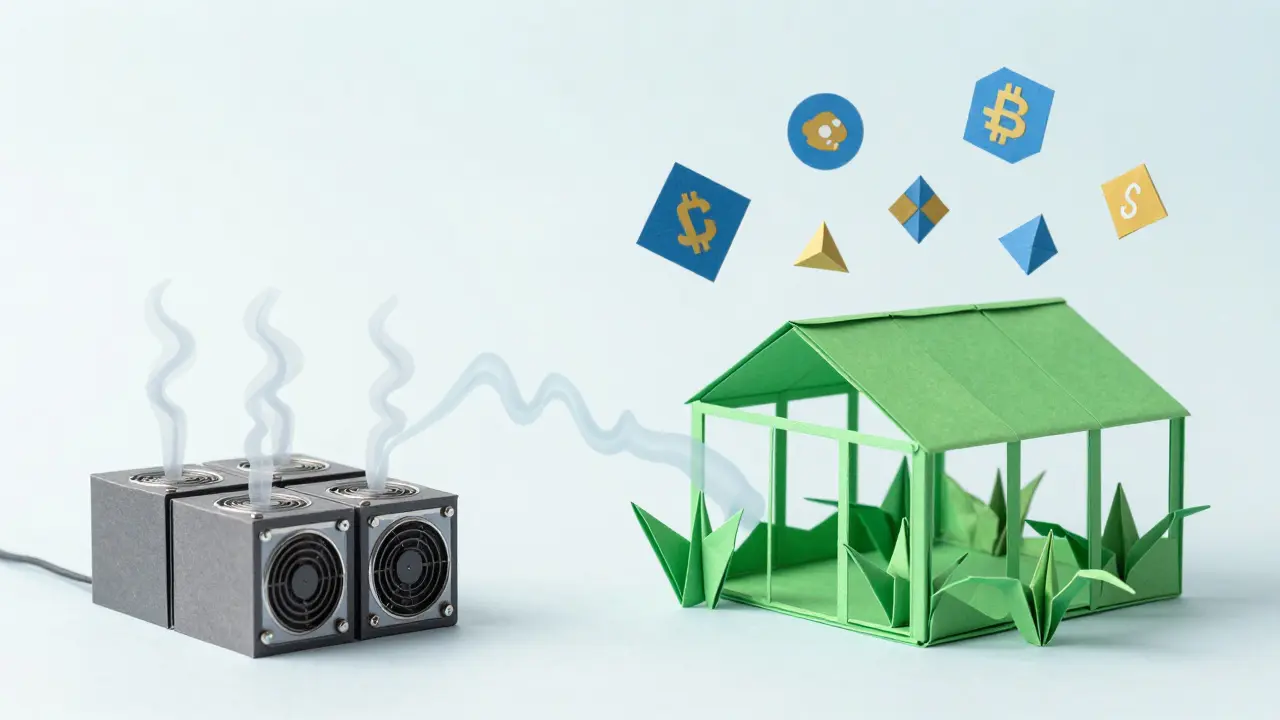
- Environmental Permits: While Landvirkandi handles the power, the environmental agency handles the heat. Large mining farms generate significant waste heat. New restrictions require detailed plans for how this heat will be reused-for example, heating nearby greenhouses or district heating systems. If you can't prove you're using the heat efficiently, you might not get the power connection.
This multi-layered approach means that getting power is no longer a simple administrative task. It requires proving that your operation fits into the existing infrastructure without disrupting it.
The Shift from Wild West to Regulated Industry
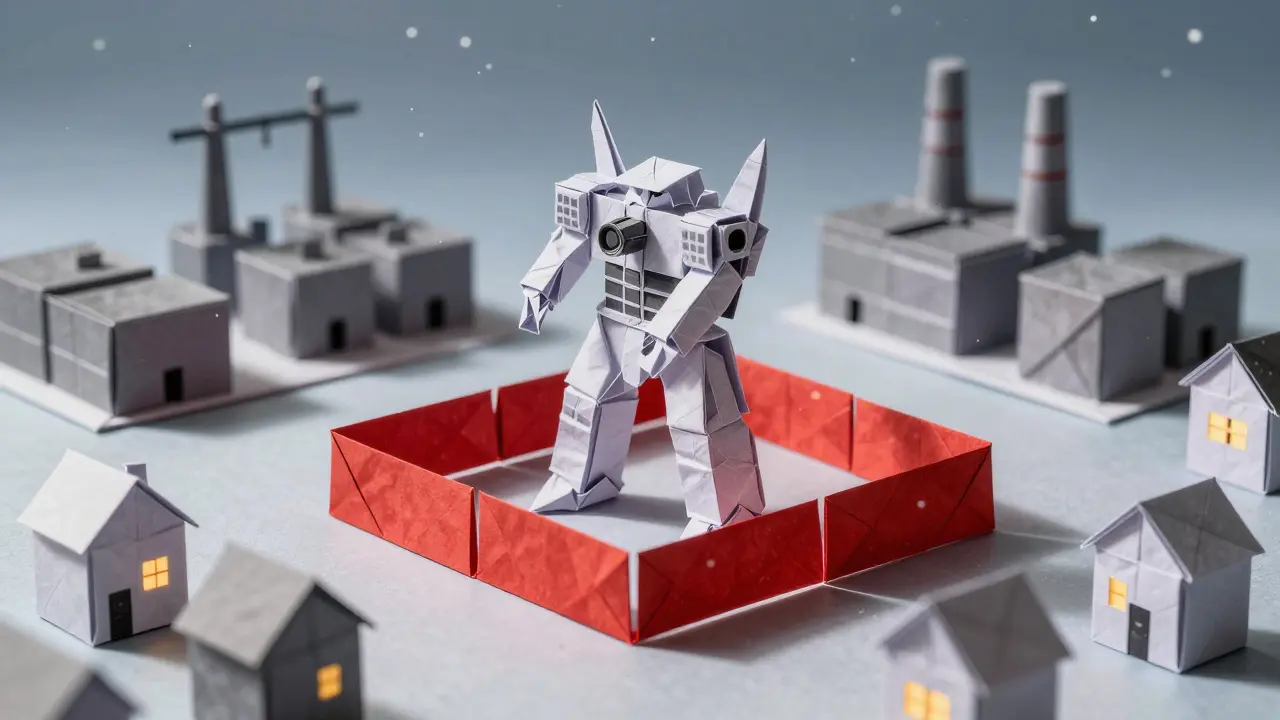
A few years ago, Iceland was seen as a regulatory haven. There were few specific laws governing crypto mining. The Icelandic Financial Supervisory Authority focused mainly on exchanges and anti-money laundering, leaving the actual mining operations largely unregulated. That era is ending.
The government, responding to public concern about energy use, has signaled a desire for tighter control. Prime Minister Katrín Jakobsdóttir and other officials have spoken about the need to balance industrial growth with social needs. The message is clear: essential services and households come first. Crypto mining is considered an industrial load, similar to aluminum plants, but without the same long-term strategic importance to the national economy.
This shift affects major players too. Companies like Hive Blockchain Technologies and Genesis Mining have operated in Iceland for years. They invested heavily in infrastructure, expecting stable access to power. Now, they face uncertainty. Long-term contracts are harder to secure, and the terms are stricter. If a miner cannot guarantee continuous operation due to grid constraints, their profitability takes a hit.
| Factor | Pre-2023 Era | Current Situation (2026) |
|---|---|---|
| Power Access | Easily available for large loads | Restricted by local grid capacity |
| Pricing | Low and stable | Variable, higher during peak winter months |
| Regulation | Lax, focus on financial compliance only | Stricter, includes environmental and grid stability checks |
| Heat Management | Often ignored or vented | Mandatory reuse plans required |
| Government Stance | Welcome investment | Cautious, prioritizing residential supply |
Why Geography Matters More Than Ever
Not all of Iceland is equal when it comes to mining. The northern regions, like Akureyri, have different grid characteristics than the south, near Reykjavik. In some rural areas, there is excess geothermal energy that would otherwise go to waste. These locations might still offer opportunities for miners who can build their own infrastructure to tap into these sources directly, bypassing the main Landvirkandi grid bottlenecks.
However, building your own connection is expensive. It requires heavy upfront capital for transformers, cables, and substations. Only large, well-funded operations can afford this. Small-scale miners are effectively locked out unless they join cooperatives or find shared facilities that already have established connections.
This geographic divide creates a two-tier market. On one side, you have the big players with deep pockets who can negotiate direct deals with local utilities or invest in grid upgrades. On the other side, you have smaller operators who are struggling to find affordable, reliable power. This consolidation benefits the industry's efficiency but hurts accessibility.
The Future: Blockchain Beyond Mining
As mining becomes harder, Iceland is pivoting. The government and private sector are increasingly interested in blockchain technology itself, rather than just the energy-hungry process of securing it. Think decentralized finance (DeFi) platforms, non-fungible token (NFT) marketplaces, and enterprise blockchain solutions. These applications require data centers, but they consume a fraction of the energy needed for Proof-of-Work mining.
Iceland is also exploring Central Bank Digital Currencies (CBDCs). The Central Bank of Iceland has conducted experiments with digital krona. By positioning itself as a hub for innovative financial technology rather than just raw computing power, Iceland hopes to attract a different kind of investor-one that brings jobs and intellectual property, not just noise and heat.
For miners, this means the window of opportunity in Iceland is narrowing. If you want to mine here, you need to be part of a solution, not just a consumer. Can your facility provide backup power during emergencies? Can your waste heat warm a community center? If the answer is no, you might find yourself priced out or blocked by Landvirkandi's strict capacity rules.
Practical Steps for Miners Considering Iceland
If you are still interested in setting up shop in Iceland despite the hurdles, here is what you need to do:
- Contact Local Utilities Early: Don't assume power is available. Reach out to the local distribution company (which may be a subsidiary of Landvirkandi or a regional provider) to check real-time capacity maps.
- Invest in Efficiency: Use the latest ASIC miners with the best hash-per-watt ratios. Older, inefficient hardware will burn money and likely fail environmental reviews.
- Plan for Heat Reuse: Work with engineers to design a system that captures waste heat. Partner with local agriculture or heating companies to create a symbiotic relationship.
- Diversify Locations: Don't put all your eggs in one basket. Consider splitting your operations across multiple regions to mitigate grid risks.
- Monitor Policy Changes: Keep an eye on announcements from the Ministry of Industries and Innovation. Regulations can change quickly based on seasonal energy shortages.
Iceland remains a fascinating place for crypto, but it demands respect for its resources. The era of easy gains is over. The future belongs to those who integrate responsibly into the local ecosystem.
Is crypto mining illegal in Iceland?
No, crypto mining is not illegal in Iceland. However, it is heavily regulated regarding energy consumption and environmental impact. You must comply with grid capacity limits and obtain necessary permits for power usage and heat management.
Who is Landvirkandi?
Landvirkandi usually refers to Landvirkjun, Iceland's state-owned power transmission and distribution company. They manage the national grid and decide who gets connected to the high-voltage power lines, playing a key role in restricting or enabling large-scale mining operations.
Why is Iceland restricting crypto mining?
The restrictions are primarily due to grid stability concerns and public pressure. Mining consumes vast amounts of electricity, which can strain local grids and lead to higher prices for households. The government wants to ensure that essential services and residents have priority access to energy.
Can I still get cheap electricity for mining in Iceland?
Electricity in Iceland is still relatively cheap compared to many countries, but it is not as low-cost as it once was. Prices fluctuate based on season and demand. Additionally, securing a connection is difficult due to capacity limits, so the "cheap" power comes with significant logistical challenges.
What happens if my mining farm causes a blackout?
If your operation causes grid instability, you could face fines, disconnection, and legal liability. Landvirkandi and local authorities take grid safety seriously. Operators are expected to have smart metering and automatic shutdown systems to prevent overloading the network.