Remember the summer of 2020? That was the golden era of DeFi. Every week, a new decentralized exchange popped up, promising high yields and community-first governance. SashimiSwap is one of those platforms that launched on September 11, 2020, right in the thick of that boom. Today, in May 2026, the landscape looks very different. The hype has cooled, regulations have tightened, and only the strongest protocols survived. So, where does SashimiSwap stand now? Is it still a viable place to trade, or is it a relic of the past?
If you are looking for a quick answer: SashimiSwap is technically functional but practically obsolete for most traders. It operates as an automated market maker (AMM) decentralized exchange, meaning you trade directly from your wallet without handing over custody of your funds. However, its trading volume has collapsed, and its features lag far behind modern competitors like Uniswap or SushiSwap. Let’s break down exactly what this means for your capital.
The Core Concept: What Is SashimiSwap?
To understand SashimiSwap, you need to understand the basic architecture of a decentralized exchange. Unlike centralized exchanges such as Binance or Coinbase, SashimiSwap does not hold your money. You connect your crypto wallet-like MetaMask-to their smart contracts, and trades happen peer-to-peer via liquidity pools. This model offers a significant security advantage: even if hackers compromised the platform’s website or front-end interface, they could not drain user funds because the exchange never custodies them.
The native token powering this ecosystem is SASHIMI. The distribution model was notably community-focused at launch. There was no pre-sale, no private allocation for venture capitalists, and no team shares reserved upfront. Instead, 100% of the tokens were distributed through liquidity mining. This meant early users who provided liquidity earned SASHIMI rewards, aligning the incentives of the protocol with its earliest adopters. While this approach built initial trust, it also failed to create the sustainable economic flywheel needed to retain users long-term.
Fees and Costs: What Will It Cost You?
When evaluating any exchange, fees are often the deciding factor. SashimiSwap charges a standard 0.30% fee per transaction. This fee applies equally to both makers and takers. Here is the catch: that 0.30% goes entirely to the liquidity providers-the people supplying the assets in the pools-not to the SashimiSwap protocol itself. This is a common model in AMMs, designed to incentivize liquidity depth.
However, compare this to its closest competitor, SushiSwap, which typically charges a lower 0.25% fee. In a low-margin trading environment, that extra 0.05% adds up quickly, especially for high-frequency traders. Furthermore, SashimiSwap does not charge additional withdrawal or transfer fees beyond the standard blockchain network gas fees. These gas fees fluctuate based on network congestion and are paid to miners, not the exchange. While transparent, this means during periods of high network activity, your transaction costs can spike unpredictably, regardless of the exchange’s own fee structure.
Liquidity Crisis: The Volume Problem
This is where SashimiSwap faces its biggest hurdle. Liquidity is lifeblood for any DEX. Without deep liquidity pools, you face two major risks: high price slippage and failed transactions. Price slippage occurs when your trade moves the market price against you because there aren’t enough assets in the pool to fill your order at the expected rate.
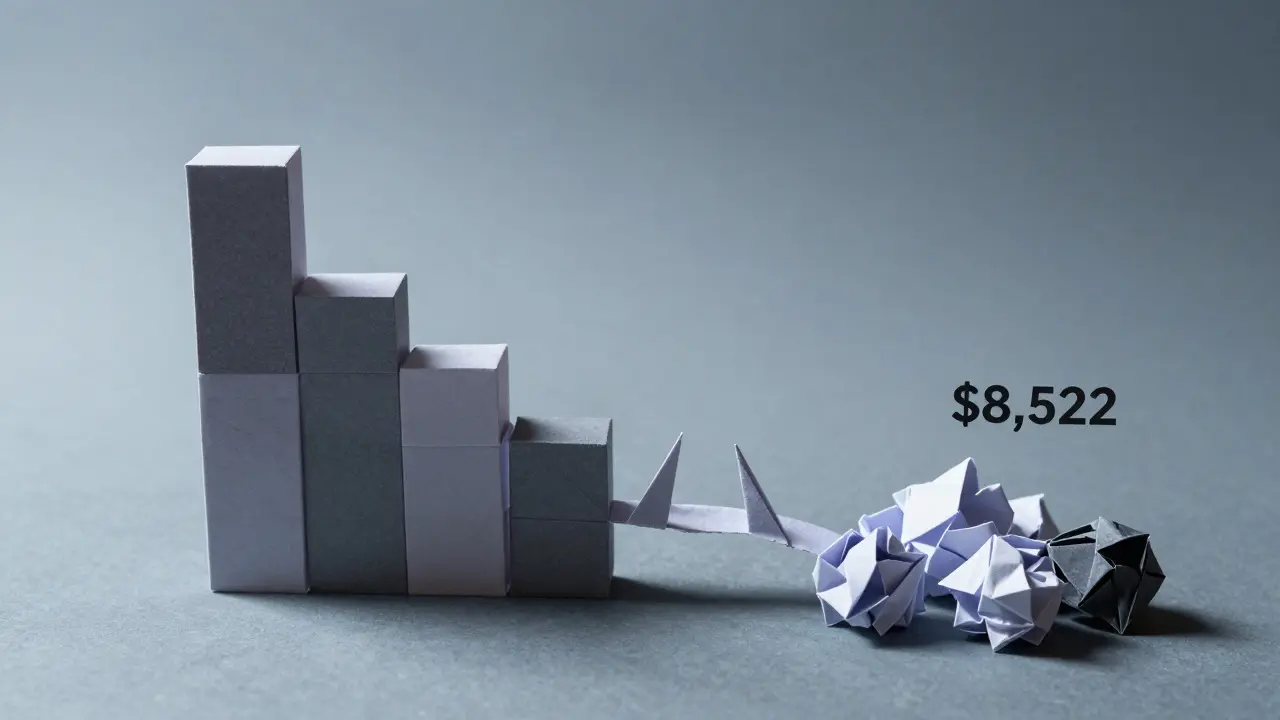
Historical data paints a concerning picture. As of February 2021, SashimiSwap recorded a 24-hour trading volume of approximately $73,333. By December 2021, just nine months later, that volume had plummeted to roughly $8,522-a drop of nearly 88%. While exact figures for 2026 are harder to pin down due to fragmented reporting, the trend suggests a continued struggle to attract meaningful market participation. For context, major DEXs process billions in daily volume. Trading on SashimiSwap today likely means dealing with thin order books, making it unsuitable for anything other than small, casual swaps.
| Feature | SashimiSwap | SushiSwap | Uniswap |
|---|---|---|---|
| Trading Fee | 0.30% | 0.25% | 0.30% (Standard) |
| Fiat Deposits | No | No | No |
| Custody Model | Non-Custodial (DEX) | Non-Custodial (DEX) | Non-Custodial (DEX) |
| Governance Token | SASHIMI | SUSHI | UNI |
| Advanced Features | Basic Swaps | Lending, Limit Orders | V3 Concentrated Liquidity |
| Liquidity Depth | Very Low | High | Very High |
Security and Governance
One of the inherent benefits of using a decentralized exchange like SashimiSwap is security through non-custody. Since you control your private keys, you are not exposed to the risk of exchange insolvency or internal theft. If the SashimiSwap team disappeared tomorrow, your funds would remain in your wallet or in the smart contract pools you’ve contributed to.
However, "non-custodial" does not mean "risk-free." Smart contract vulnerabilities are a constant threat in DeFi. While SashimiSwap’s code is open-source and subject to community scrutiny, the lack of recent development activity raises questions about whether critical security patches are being applied promptly. Additionally, the platform relies on community governance for changes. The 0.30% fee, for instance, can be modified by SASHIMI token holders voting on proposals. This democratic approach is ideal in theory, but low voter turnout in smaller communities can lead to governance stagnation or exploitation by whale voters.
Who Should Use SashimiSwap?
Honestly, very few people should use SashimiSwap for active trading in 2026. If you are a beginner trying to buy your first cryptocurrency, this platform is not for you. SashimiSwap does not accept fiat currency deposits (USD, EUR, etc.). You must already hold crypto on a centralized exchange, withdraw it to a self-custody wallet, and then bridge it to the network supporting SashimiSwap. This multi-step process introduces friction and potential points of failure for novices.
For experienced DeFi users, the platform might offer niche opportunities. Perhaps you are seeking yield farming incentives that are temporarily higher than on larger platforms due to low competition. Or maybe you are researching historical DeFi models for academic purposes. But for everyday swapping, providing liquidity, or executing large trades, the lack of depth makes it inefficient and costly.
Better Alternatives for 2026
If you are looking for the security of a DEX with the usability and liquidity of a mature platform, consider these alternatives:
- Uniswap: The industry standard. With Uniswap V3, it offers concentrated liquidity, allowing providers to earn more fees on less capital. It has the deepest liquidity across Ethereum and numerous Layer-2 networks.
- SushiSwap: A direct competitor to SashimiSwap but with significantly more traction. It offers lending, borrowing, and limit orders via its BentoBox feature, providing a more complete DeFi experience.
- PancakeSwap: Dominant on the BNB Chain, offering lower gas fees and robust auto-compounding vaults for yield farmers.
These platforms have survived the bear markets, undergone multiple audits, and integrated cross-chain solutions that make trading seamless. SashimiSwap, by contrast, remains isolated and under-resourced.
Can I deposit USD or EUR directly into SashimiSwap?
No. SashimiSwap is a decentralized exchange and does not handle fiat currencies. You must purchase cryptocurrency on a centralized exchange (like Coinbase or Kraken), transfer it to a personal wallet, and then connect that wallet to SashimiSwap to trade.
Is SashimiSwap safe from hacks?
SashimiSwap is non-custodial, meaning the exchange cannot steal your funds because it doesn't hold them. However, smart contract bugs or exploits can still occur. Users are responsible for verifying transactions and understanding the risks associated with interacting with older, less-audited protocols.
What happened to SashimiSwap's trading volume?
SashimiSwap saw a dramatic decline in volume after its 2020 launch. From roughly $73k daily in early 2021, it dropped to under $9k by late 2021. This indicates a loss of user interest and liquidity compared to competitors like Uniswap and SushiSwap, making it less efficient for trading today.
How does the SASHIMI token work?
The SASHIMI token is used for governance and rewarding liquidity providers. Initially, 100% of tokens were distributed via liquidity mining with no team allocation. Holders can vote on protocol changes, such as fee adjustments, though participation may be low due to reduced platform activity.
Should I provide liquidity on SashimiSwap in 2026?
Generally, no. Providing liquidity requires matching pairs of assets, and low trading volume means fewer fees earned. Combined with the risk of impermanent loss and the availability of more liquid, secure alternatives, SashimiSwap offers poor risk-adjusted returns for liquidity providers compared to major DEXs.