
Have you ever wondered if an algorithm could predict the future of Bitcoin using ancient Chinese philosophy? That is the bold promise behind GUA, the native token of the Superfortune platform. Launched in early 2026, this project claims to merge artificial intelligence with traditional metaphysics to decode cryptocurrency market trends. But before you buy, it helps to understand exactly what you are getting into.
GUA is not just another meme coin chasing viral trends. It positions itself as a utility token on the BNB Chain that powers an 'InfoFi' (Information Finance) ecosystem. The core idea is simple: use data-driven AI tools alongside cultural concepts like the I Ching to provide users with market insights and 'fortune reports.' However, the reality of trading and using GUA involves more nuance than the marketing suggests.
How Superfortune Works: AI Meets Metaphysics
To understand GUA, you need to look at its parent platform, Superfortune. Incubated by Manta Labs, Superfortune operates as a decentralized application (dApp) where users consume content and access predictive analytics. The platform’s unique selling point is its hybrid approach. On one hand, it uses standard blockchain analytics-tracking transaction volumes, wallet movements, and on-chain metrics. On the other hand, it integrates Eastern metaphysical systems, claiming these ancient frameworks offer qualitative insights that pure numbers miss.
When you hold GUA tokens, you aren’t just holding a speculative asset; you are holding a key to this ecosystem. The primary utilities for GUA include:
- Unlocking Detailed Reports: Free users get basic insights, but detailed 'fortune reports' require spending GUA.
- Purchasing Virtual Assets: Users can buy digital lucky charms, such as fortune crystals, which serve as status symbols or potential multipliers within the app.
- In-App Payments: GUA acts as the currency for all transactions within the Superfortune interface.
This model creates a closed loop. If you want better predictions, you need more GUA. This drives demand for the token, theoretically supporting its price. However, critics argue that tying financial advice to a proprietary token creates a conflict of interest. Are the predictions accurate because of the AI, or because the system encourages spending?
Tokenomics and Supply Details
Understanding the supply mechanics is crucial for any investor. GUA operates as a BEP-20 token, meaning it lives on the BNB Smart Chain. This choice offers low transaction fees and fast processing times, making micro-transactions for daily report purchases feasible.
Here is the breakdown of the token supply as of mid-2026:
| Metric | Value |
|---|---|
| Total Supply | 1,000,000,000 GUA |
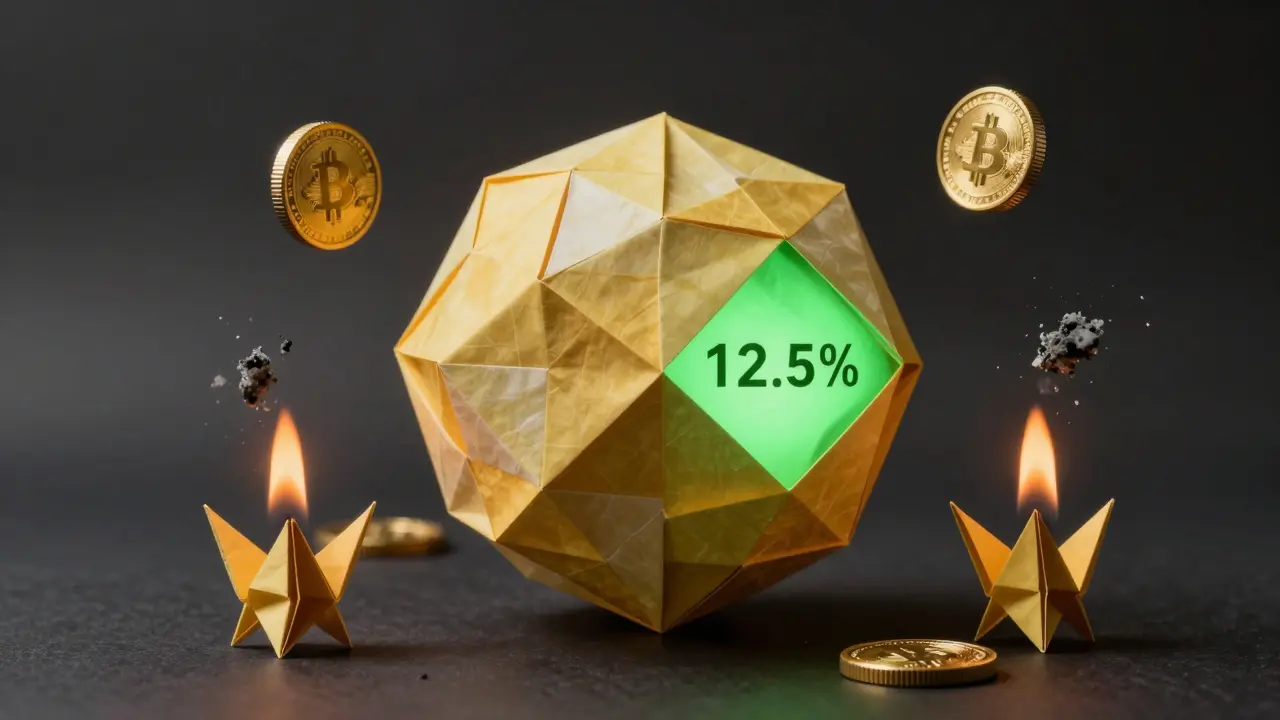
| Circulating Supply | 125,000,000 GUA (12.5%) |
| Blockchain | BNB Chain (BEP-20) |
| Deflationary Mechanism | Yes (burns occur during specific interactions) |
The fact that only 12.5% of the total supply is currently in circulation is significant. It means there is a massive amount of tokens yet to be released. In crypto markets, large unlocks can lead to sell pressure as early investors or team members gain access to their holdings. Always check the vesting schedule-if it’s not public, that’s a red flag.
The project also employs a deflationary mechanism. This means some tokens are permanently removed from circulation when used for certain actions, theoretically increasing scarcity over time. While mathematically sound, this only benefits holders if demand remains high. If user adoption drops, burning tokens won’t save the price.
Market Performance and Price Context
As of June 2026, GUA has carved out a niche, ranking around #290 on major trackers like CoinMarketCap. With a price hovering near $0.76 and a market cap of approximately $95 million, it sits in the mid-tier small-cap range. This is far below established AI crypto projects like Fetch.ai or Render, but it shows significant traction compared to unknown startups.
However, volatility is the norm here. Recent data shows sharp swings, including a 34% drop over a single week in early June. This kind of movement suggests GUA is still driven largely by speculation rather than steady utility usage. Traders should expect wild rides. The 24-hour trading volume of over $12 million indicates decent liquidity, meaning you can likely enter and exit positions without slippage, provided you don’t trade huge amounts.
One claim circulating in some listings is that GUA features 'zero-risk contracts' and 'century-long LP locking.' Be skeptical. In decentralized finance (DeFi), 'zero risk' does not exist. Smart contract bugs, oracle failures, and market crashes happen. Furthermore, locking liquidity for 100 years is unprecedented and raises questions about flexibility. If the protocol needs to upgrade or respond to a crisis, locked liquidity cannot help. Always verify these claims on-chain, not just in marketing copy.
Risks and Community Sentiment
No honest review ignores the risks. The crypto community is divided on Superfortune. On platforms like Reddit and Trustpilot, skepticism runs high. Common complaints include:
- Vague Value Proposition: Many users feel confused about how 'metaphysics' actually improves financial outcomes. Is it science or superstition?
- Aggressive Monetization: Reviews mention feeling pressured to buy more GUA to unlock 'better' predictions.
- Lack of Transparency: The AI algorithms are proprietary. Without open-source code or peer-reviewed studies, it’s hard to validate if the predictions are genuinely superior to random chance.
There is also the issue of unverified endorsements. Some sources claimed Vitalik Buterin endorsed the project, but no credible evidence exists. Always cross-check celebrity or influencer claims. In the world of crypto, fake endorsements are a common tactic to pump prices.
Regulatory concerns are also emerging. The U.S. Commodity Futures Trading Commission (CFTC) has warned against cryptocurrencies making unsubstantiated predictive claims. If regulators decide that Superfortune is selling financial advice without proper licensing, the project could face legal hurdles. This is a sector-wide risk for 'prediction' tokens.
How to Buy and Store GUA
If you decide to proceed, the process is straightforward but requires caution. Since GUA is a BEP-20 token, you need a wallet that supports the BNB Chain. MetaMask and Trust Wallet are the most popular choices.
- Set Up Your Wallet: Download MetaMask or Trust Wallet and secure your seed phrase offline. Never share this phrase with anyone.
- Acquire BNB: Buy BNB on a centralized exchange like Binance or Coinbase. You will need BNB to pay for gas fees on the BNB Chain.
- Swap for GUA: Connect your wallet to a decentralized exchange (DEX) like PancakeSwap. Search for the official GUA contract address. Double-check this address against official Superfortune social channels to avoid scam tokens.
- Execute the Swap: Set your slippage tolerance appropriately (usually 1-3%) and confirm the transaction.
Always start with a small amount. Test the waters before committing significant capital. Remember, buying GUA is a high-risk investment. Only invest what you can afford to lose entirely.
Future Outlook: Is GUA Sustainable?
The long-term viability of GUA depends on two factors: technological proof and user retention. The upcoming 'Metaphysical AI v2.0' upgrade promises deeper integration between data and cultural models. If this version delivers verifiable, accurate predictions that outperform standard technical analysis, the project could gain serious credibility. If it fails to deliver tangible value, it risks being forgotten as a novelty.
Currently, active wallets are declining slightly month-over-month, suggesting early hype may be fading. For GUA to survive, it needs to expand beyond its current niche. Partnerships with larger DeFi protocols or clearer documentation of its AI methodology would help. Until then, it remains a speculative play for those intrigued by the intersection of culture and code.
Is GUA a good investment in 2026?
GUA is considered a high-risk speculative asset. While it has a unique concept and moderate liquidity, it lacks transparent validation of its AI predictions. It may suit adventurous traders looking for short-term gains, but it is not suitable for conservative long-term investors due to regulatory uncertainties and unproven technology.
What blockchain is GUA built on?
GUA is a BEP-20 token built on the BNB Chain (formerly Binance Smart Chain). This allows for fast transactions and low fees, which is essential for its utility-based use cases like purchasing daily reports.
Does Vitalik Buterin endorse GUA?
No. Claims of endorsement by Vitalik Buterin or the Ethereum Foundation are unverified and likely false. Always rely on official statements from recognized leaders and avoid trusting anonymous social media posts.
How do I store GUA safely?
You can store GUA in any non-custodial wallet that supports BNB Chain tokens, such as MetaMask, Trust Wallet, or Ledger hardware wallets. Ensure you back up your private keys securely and never interact with unofficial links to prevent phishing attacks.
What is the maximum supply of GUA?
The maximum total supply of GUA is 1 billion tokens. As of mid-2026, only 125 million (12.5%) are in circulation, meaning significant inflation could occur if remaining tokens are unlocked without corresponding demand growth.