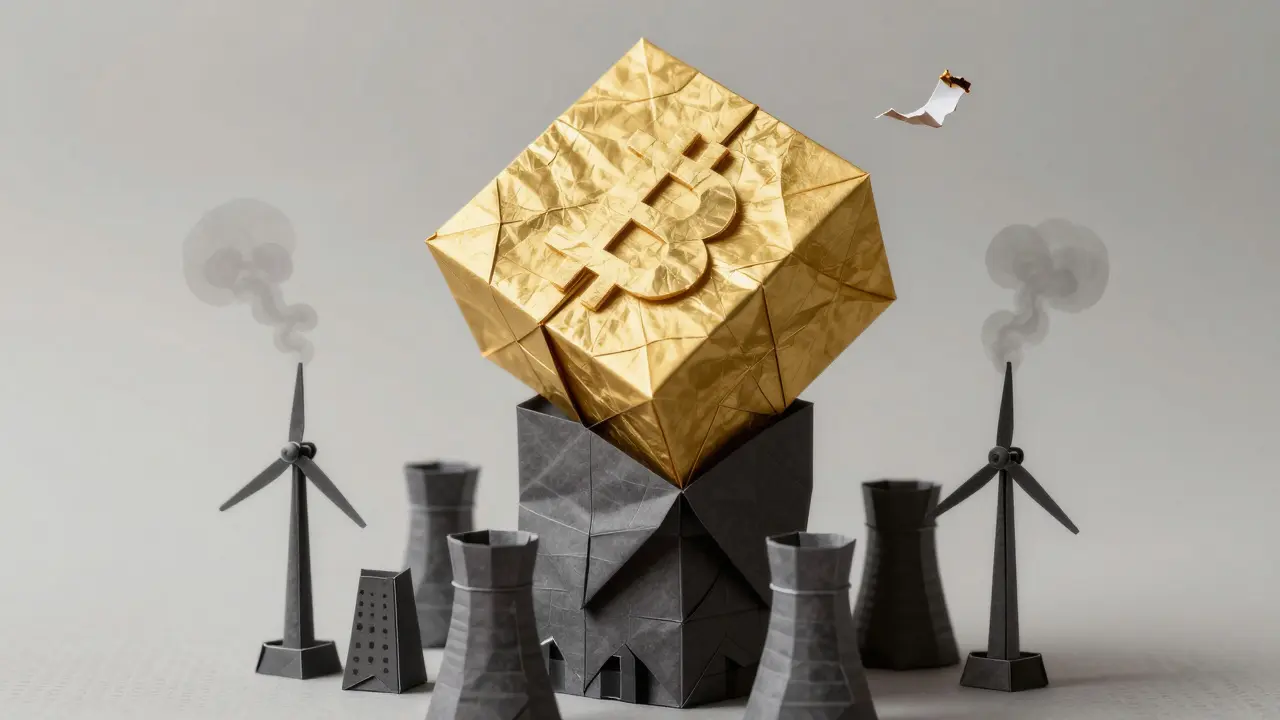
Proof of Work: How Bitcoin Mining Works and Why It Matters
When you hear about Proof of Work, a consensus mechanism that secures blockchain networks by requiring computational effort to validate transactions. Also known as PoW, it's the original engine behind Bitcoin and still powers most of the crypto market's security. Every time a new Bitcoin block is added, miners compete to solve a complex cryptographic puzzle. The first one to crack it gets rewarded with fresh coins and transaction fees. It’s not magic—it’s math, electricity, and hardware working together.
But Proof of Work isn’t just about creating new coins. It’s what makes the network tamper-proof. If someone tried to change an old transaction, they’d need to redo all the work from that point forward—and outpace every other miner on the network. That’s nearly impossible unless you control over half the world’s mining power. That’s why Proof of Work is called the bedrock of decentralization. It’s not perfect, though. The energy use is massive. Countries like Sweden are now restricting mining because of its carbon footprint. And as electricity costs rise, only those with cheap power or top-tier ASIC miners, specialized hardware built for one purpose: solving Proof of Work puzzles as efficiently as possible can still turn a profit. For most people, solo mining is a fantasy. That’s why pool mining, a system where multiple miners combine their computing power to increase their chances of earning rewards, then split the payout became the norm. It’s not glamorous, but it pays steady.
Proof of Work is under pressure. Ethereum switched to Proof of Stake. Newer chains avoid it entirely. But Bitcoin? It’s doubling down. Even as governments crack down and environmental groups protest, the network keeps growing. Why? Because it works. It’s battle-tested, transparent, and decentralized by design. If you’re wondering whether mining still makes sense in 2025, the answer depends on your hardware, your power bill, and your tolerance for risk. Some still mine Bitcoin with GPUs. Others chase altcoins like Monero that resist ASIC dominance. And then there are those who just want to understand how the system stays alive without a central bank. That’s what this collection is for. Below, you’ll find real reviews, cost breakdowns, and warnings about scams—all focused on what Proof of Work actually means today, not what it was promised to be.