
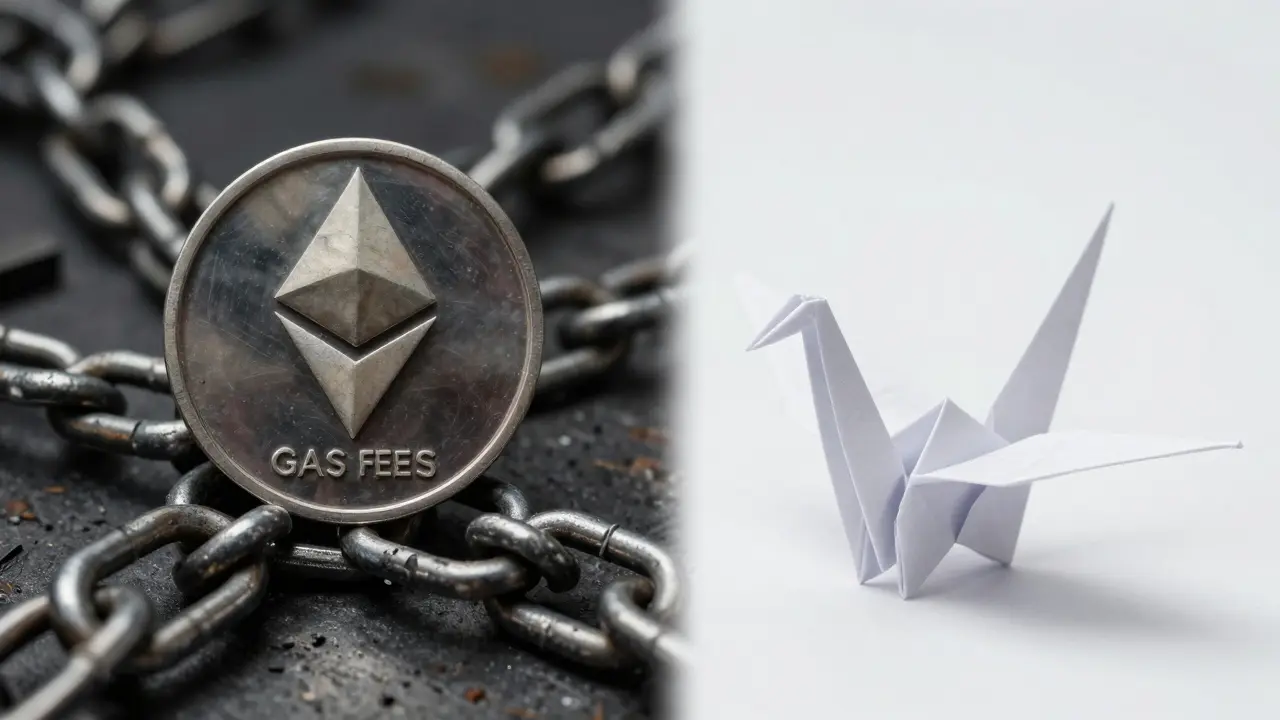
Most of us are used to the "gas fee gamble"-sending a transaction on Ethereum and praying the network isn't so congested that you pay $30 just to move some funds. Imagine a world where that stress simply doesn't exist. Wagmi (IOTA EVM) is a decentralized cryptocurrency exchange (DEX) that brings the Ethereum Virtual Machine (EVM) experience to the IOTA network, promising a trading environment where feeless transactions are the standard, not the exception. But while "free" sounds great, does a tiny asset selection and a steep learning curve make it a practical choice for the average trader?
The Bottom Line on Wagmi
If you're hunting for the next moonshot token or need a massive variety of trading pairs, Wagmi isn't your place. It's currently a very lean operation. However, for those specifically operating within the IOTA ecosystem or bridging assets from Layer 2s like Arbitrum or Optimism, it serves as a vital liquidity hub. The real draw here is the integration with IOTA's DAG-based architecture, which effectively kills the gas fee. You can execute a dozen small swaps without worrying about the fees eating your principal-a huge win for micro-traders.
| Feature | Details |
|---|---|
| Network | IOTA EVM (ChainID: 8822) |
| Primary Advantage | Feeless transactions (no gas) |
| Asset Selection | Very Limited (2 coins / 2 pairs) |
| Bridging Partner | Stargate Finance |
| Trading Fees | Tiered: 0.05% to 1% |
How Wagmi Actually Works
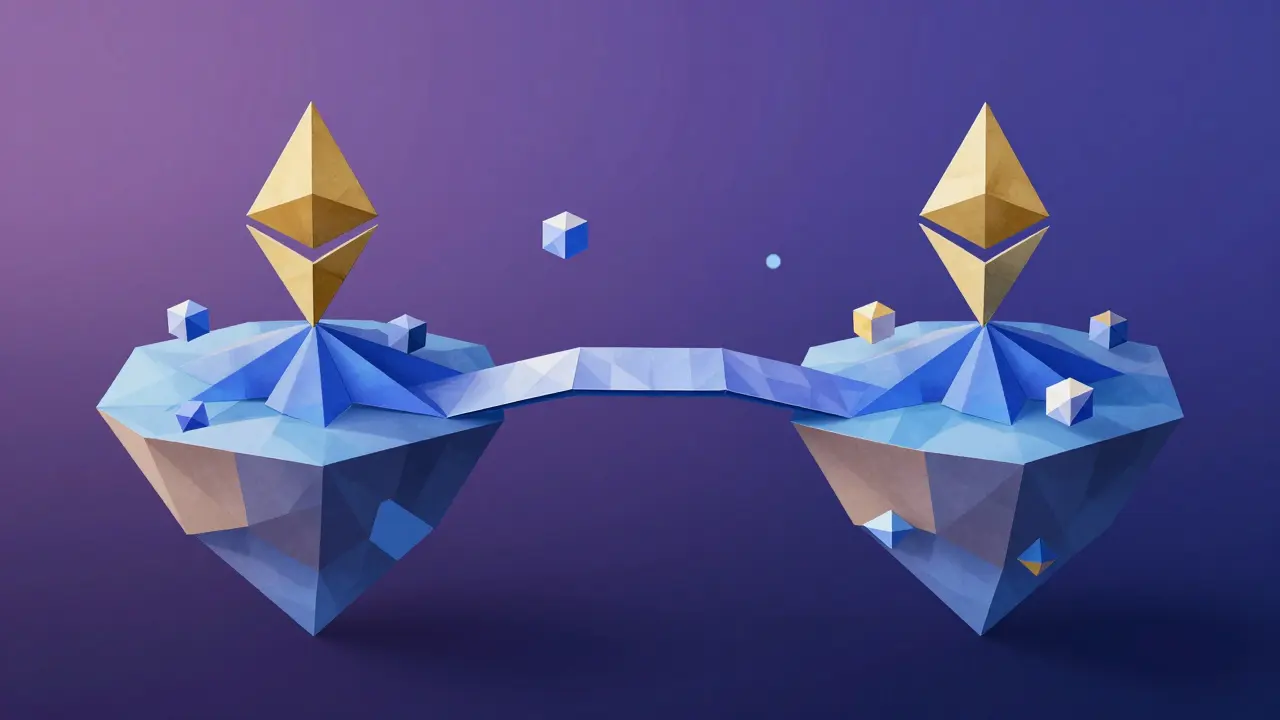
Wagmi isn't a standalone app you just download and start using with a credit card. It's a DEX, meaning it interacts directly with your wallet. To get started, you need to be on the IOTA EVM network. Since most people keep their funds on Ethereum or various Layer 2s, the first step is bridging. Wagmi relies on Stargate Finance, a cross-chain bridging protocol that allows you to move USDT, USDC, and ETH from networks like Base or Optimism over to IOTA.
Once your assets are bridged, you connect an EVM-compatible wallet (like MetaMask) using the specific JSON-RPC endpoint for the IOTA ledger. The magic happens in the background: while you're using a familiar Ethereum-style interface, the underlying IOTA infrastructure uses a Directed Acyclic Graph (DAG). Instead of miners fighting for a block, users validate previous transactions, which is how the network removes the need for traditional gas fees.
Trading Experience: The Good and The Bad
Trading on Wagmi is a bit of a mixed bag. On the positive side, the lack of gas fees is a game-changer. Some users have reported saving over $20 on a series of small swaps that would have been prohibitively expensive on the Ethereum mainnet. This makes it an excellent playground for testing strategies or moving small amounts of capital without the "fee tax."
The downside? The liquidity and variety are lacking. Currently, the platform is dominated by the wIOTA (wrapped IOTA) and USDT pair. If you're looking for a diverse portfolio of tokens, you'll find Wagmi feels more like a specialized tool than a full-fledged exchange. Furthermore, the default slippage settings can be aggressive. There are reports of users losing around 2-3% on swaps because the default settings were too high. Pro tip: always manually adjust your slippage to 0.5% or 1% to avoid getting a bad deal.
Comparing Wagmi to the Competition
Within the IOTA EVM neighborhood, Wagmi isn't the biggest player. MagicSea V2.1 currently holds the crown, controlling a much larger slice of the market share and offering a significantly wider range of trading pairs. While Wagmi focuses on being a liquidity hub for bridged assets, MagicSea is where you go for broader ecosystem exposure.
| Metric | Wagmi | MagicSea V2.1 |
|---|---|---|
| Market Share (Vol) | ~31.9% | ~67.6% |
| Listed Assets | 2 Coins | 8 Coins |
| Trading Pairs | 2 Pairs | 11 Pairs |
| Focus | Bridged Assets Hub | Ecosystem Variety |
The Technical Hurdle: Getting Your Assets In
Let's be honest: the onboarding process for Wagmi is a bit of a headache for beginners. You can't just deposit fiat; you have to navigate a multi-step bridging process. If you have native IOTA tokens (L1), you'll need to use the Firefly wallet. You send your tokens to Firefly, select the IOTA EVM network as the destination, and then point it toward your MetaMask address. For a new user, this process can take up to an hour of fiddling with settings and guides. The documentation is decent, but it assumes you already know how bridges work, which isn't always the case.

What's Next? The IOTA Rebased Factor
The current state of Wagmi is essentially a "beta" phase of what's to come. The big catalyst for the future is the IOTA Rebased protocol upgrade. This isn't just a minor patch; it's a massive overhaul that aims to integrate MoveVM (the tech behind the Sui network). This should theoretically push transaction speeds up to 50,000 TPS and bring finalization times down to under a second.
If this upgrade succeeds, we could see a massive influx of liquidity. Analysts suggest that the total DEX volume in the IOTA ecosystem could jump 10x to 15x. For Wagmi, this means a potential shift from a niche tool to a high-volume exchange. However, this depends on the IOTA Foundation hitting its roadmap milestones on time, which is always a gamble in the crypto world.
Common Pitfalls to Avoid
- Ignoring Slippage: Don't stick to the defaults. Manually lower your slippage to prevent losing a percentage of your trade to the pool's volatility.
- Wrong Network: Ensure your wallet is specifically set to ChainID 8822. Connecting to the wrong EVM chain is a fast way to lose track of your funds.
- Bridging Confusion: Only use trusted bridges like Stargate Finance. Avoid random "free bridge" sites that pop up in search results.
- Expectation Gap: Don't expect a Uniswap-level experience. The interface is functional but lacks the polish of top-tier DeFi apps.
Does Wagmi really have zero gas fees?
Yes, because it operates on the IOTA EVM network, it leverages IOTA's DAG architecture which eliminates traditional blockchain gas fees. However, keep in mind that while there are no gas fees, the exchange still charges its own trading fees (ranging from 0.05% to 1%) based on your volume.
How do I get funds into Wagmi?
You cannot deposit fiat directly. You must use a bridge like Stargate Finance to transfer assets (USDC, USDT, ETH) from another network like Ethereum or Arbitrum to the IOTA EVM network. If you are moving from IOTA L1, you will need the Firefly wallet to facilitate the transfer to an EVM address.
Is Wagmi safe to use?
As a decentralized exchange, Wagmi is non-custodial, meaning you keep control of your private keys. However, the safety of your funds depends on the security of the smart contracts and the bridges you use. Always perform a small "test trade" before moving large sums of money.
What is the difference between wIOTA and IOTA?
IOTA is the native token of the L1 network. wIOTA is a "wrapped" version of the token that exists on the IOTA EVM layer, allowing it to be traded and used within smart contracts on the EVM-compatible side of the ecosystem.
Who is the main competitor to Wagmi?
MagicSea V2.1 is the primary competitor. It currently holds a much larger market share (roughly 67%) and offers a wider variety of tokens and trading pairs compared to Wagmi's focused approach.
Next Steps for Different Users
For the Curious Beginner: Start by downloading MetaMask and the Firefly wallet. Try bridging a small amount of USDC (under $20) from a cheap network like Base to get a feel for the process before committing more capital.
For the DeFi Power User: Focus on the wIOTA/USDT pair. Use Wagmi as a low-cost alternative for rebalancing your IOTA-based holdings without getting eaten alive by gas fees, but keep an eye on the IOTA Rebased upgrade for potential volatility.
For the Ecosystem Investor: Monitor the IOTA Foundation's progress on MoveVM integration. The transition to a 50,000 TPS network will be the make-or-break moment for whether Wagmi can scale into a major player.

Greg Reynolds
The obsession with "feeless" is such a rookie mistake. You're just trading gas for slippage and liquidity premiums, which is essentially the same tax just rebranded to lure in people who can't do basic math. It's a classic trade-off where you save a few cents on the network but lose dollars on the spread because the pool is a ghost town.
Larry Yang
Imagine being hyped for a DEX that only has two pairs. Absolute joke lol. It's basically a glorified calculator at this point.
Sarah Fisher
It is interesting how the shift toward DAG architecture reflects a broader desire for efficiency over the traditional linear chain. While the asset list is small, the underlying philosophy of removing the barrier to entry via gas fees is a step toward a more democratic financial system.
Robert Mosolygo
The Stargate integration is the real red flag here. If you've followed the history of cross-chain bridges, you know they are the primary vector for catastrophic exploits. The IOTA Foundation is likely rushing the MoveVM integration to mask the structural instabilities of the current EVM layer. It's a house of cards designed to trap liquidity before the next "upgrade" happens.
Tony Gurley-Ward
Who cares about the assets when you can swap until your heart's content without paying the Ethereum overlords! It's like a little digital playground for the brave and the broke. Just keep that slippage tight or you'll be donating your lunch money to the liquidity providers!
Benjamin Forg
they want us on DAGs because it makes the tracking easier for the central nodes once they flip the switch nothing is actually free in this world the fee is just hidden in the metadata and the way they handle the ledger is a total psyop
Yvette P
Oh honey, let me educate you on the actual mechanics of an EVM-compatible layer on a DAG. It's absolutely adorable that people think "no gas" means "free money" when in reality you're just dealing with a different set of bottlenecks. The latency on the bridging process is practically prehistoric, and expecting a beginner to navigate Firefly into MetaMask without a mental breakdown is a bold strategy. I've seen more streamlined onboarding in the 90s with 56k modems. The MoveVM transition is the only thing that might actually make this viable, but given the track record of L1 overhauls, I wouldn't bet my retirement on it. Just use a CEX if you can't handle the friction, or keep playing with your tiny two-pair sandbox if you enjoy the feeling of being a pioneer in a desert.
Alex Wan
I am so thrilled to see these inovations!! Even though it is a bit dificult to start, we should all help each other navigate the bridging process to ensrue no one is left behind in this grand digital adventure! Truly a marvel of moderen engineering!!
Gary Lingrel
Another day another useless tool that doesnt fix the actual problem of centralization :( just more noise in the void
Jason M
For anyone struggling with the bridge, just take it slow! It feels like a mountain at first, but once you get that first swap through, it's an incredible feeling of victory! You've got this!
jill huyo-a
I really appreciate the tip about the slippage settings. It's so easy to overlook those defaults and end up losing a chunk of the trade.
Jennifer Taylor
The bridges are just traps to get your keys. Don't trust the official ones either, they all report back to the same people.
Lisa Camp
GET IN NOW OR STAY BROKE! The MoveVM upgrade is going to blow everything out of the water! Stop complaining about two pairs and start positioning yourself for the 10x!
Liz Ariza
Such a cool little project! ✨ Love seeing the IOTA ecosystem grow in its own unique way. Just be patient with the setup process 🌈
Ali Tate
Typical mid-curve analysis. This is basically a niche tool for the elite who actually understand DAGs and the rest of you are just whining about a few menus in a wallet. Absolute peasants
Findlay Duncan Lyon
Quite a niche offering, really.
Jennifer L
I feel so badly for the people who lsoe money because of the slippge defaults. It is truly heartbreaking that a lack of clear warnings can cause such distress in a new community.
praveen subbiah
I will support this tech all the way! India will lead the way in adopting these feeless systems and we will show the world how it is done!! So exciting!
Sarah Ingrams
glad to see someone mentioning the slippage issue it can be so frustrating when you just want a simple trade
Sara Ellis
free is good i dont like paying for things just let me trade my coins in peace