DeFi and Crypto Insights from November 2025: Oracles, Scams, Mining, and Airdrops
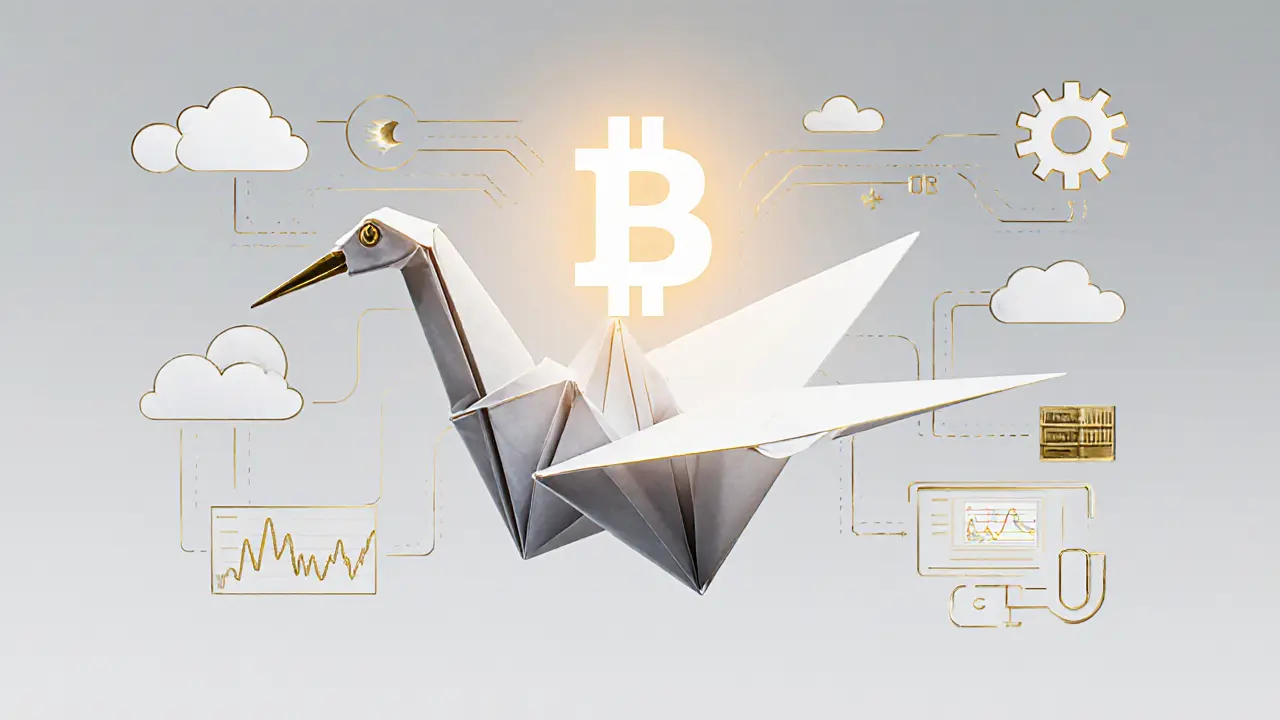
When navigating the DeFi, decentralized financial systems built on blockchain that replace banks with smart contracts. Also known as open finance, it relies on tools like blockchain oracles, secure bridges that feed real-world data like prices and weather into smart contracts to function. Without them, DeFi protocols would be blind to the outside world—making oracles like Chainlink the invisible backbone of lending, trading, and insurance apps. But in November 2025, the spotlight wasn’t just on innovation—it was on survival.
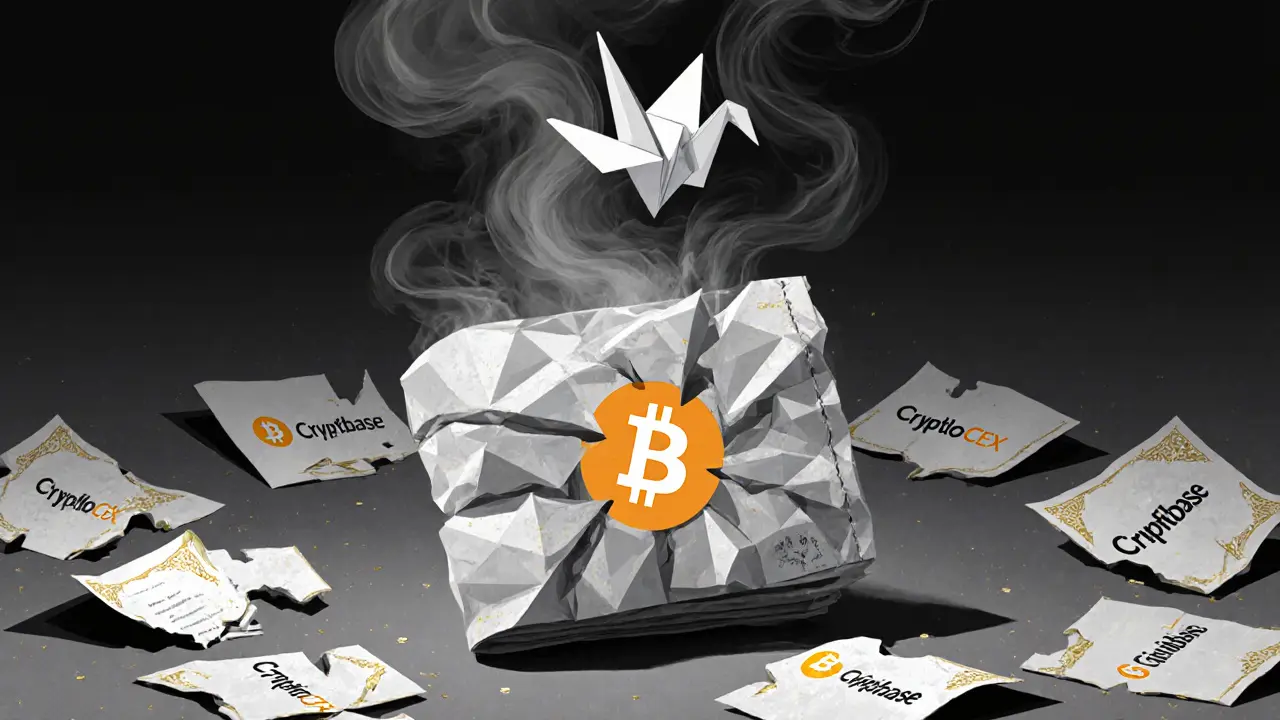
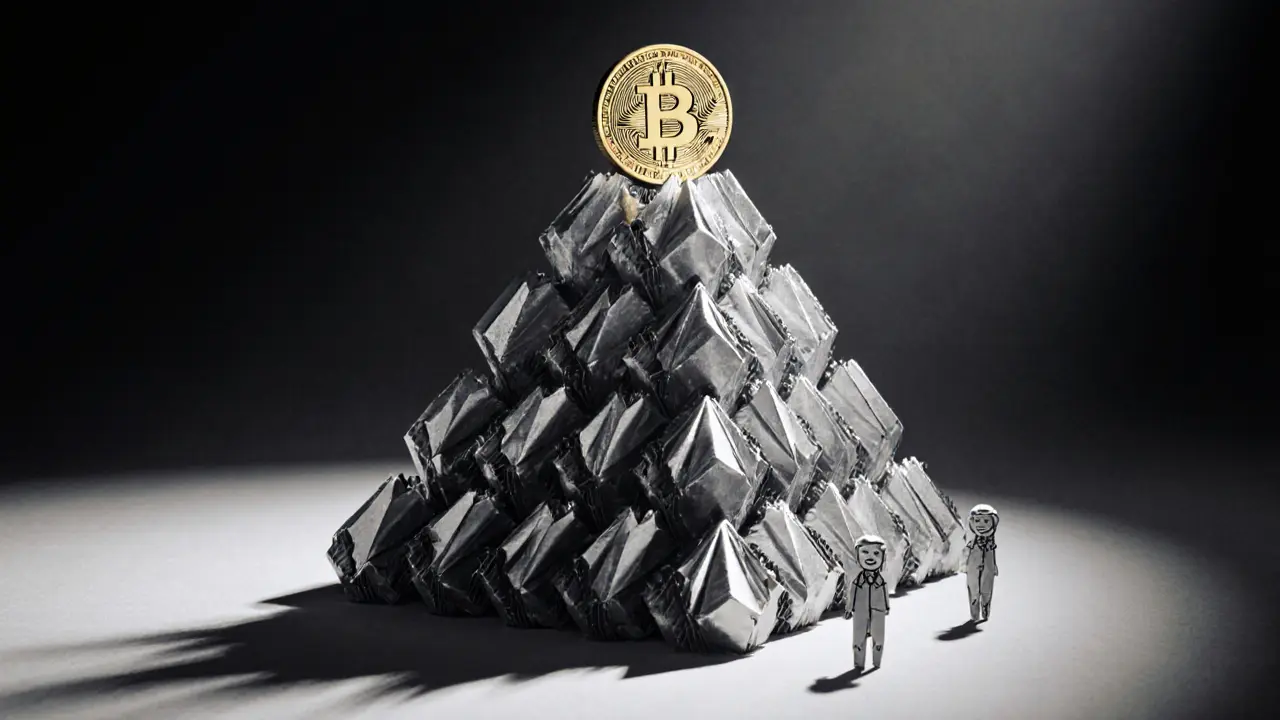
Scams exploded in visibility this month. Platforms like CryptloCEX, a fake crypto exchange with no public records, no audits, and a pattern matching known fraud operations, and My1Ex.com, a platform with zero trading volume, no licenses, and a trail of angry user reports were exposed as clear red flags. Meanwhile, fake airdrops like the one claiming to be for WELL, a non-existent token with no team, no whitepaper, and no blockchain presence tricked users into handing over private keys. These aren’t edge cases—they’re the new normal. If a project sounds too easy, offers too much, or asks for your seed phrase, it’s a scam.
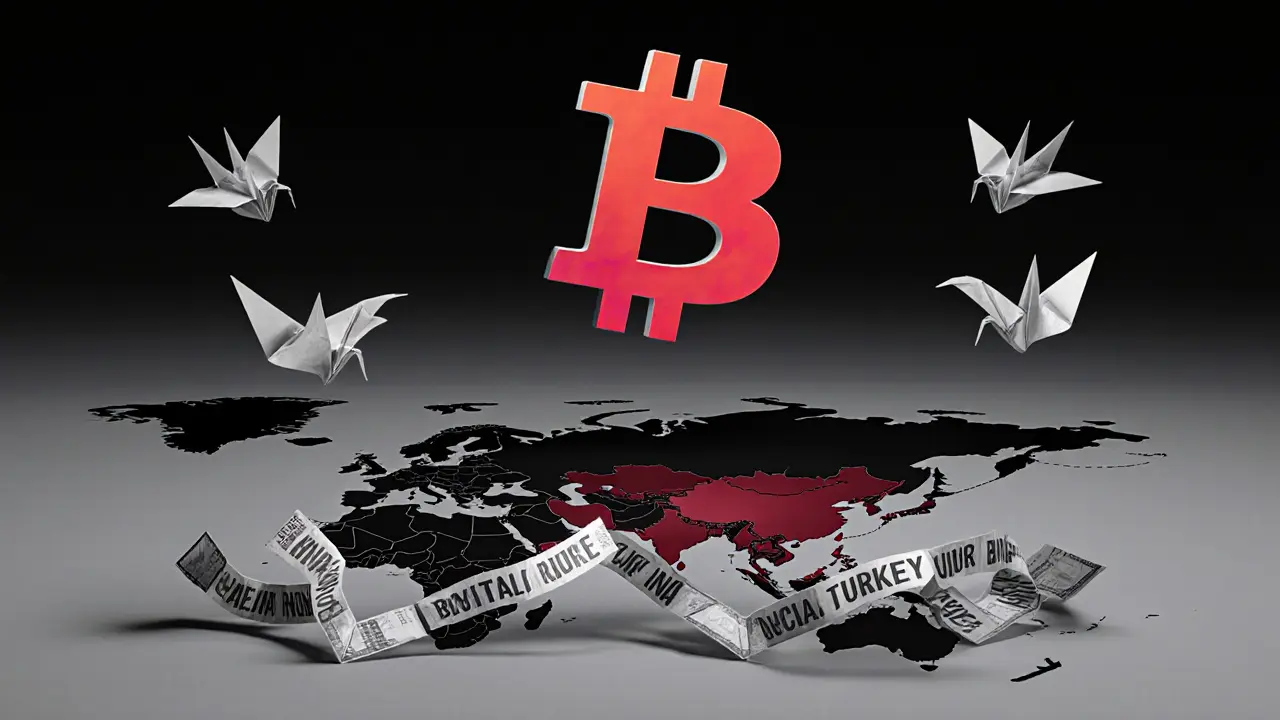
On the mining front, the divide grew wider. Bitcoin mining, a capital-intensive game dominated by ASICs and cheap hydroelectric power became nearly impossible for individuals. But altcoin mining, using GPUs to mine coins like Monero or Litecoin still offered real returns for everyday users. In Sweden, strict new rules forced miners to cut energy use or leave—showing how climate policy is reshaping the crypto landscape. Meanwhile, Russia quietly rolled out a system letting businesses use Bitcoin for cross-border trade, bypassing sanctions without touching personal wallets.
And then there were the airdrops—real ones. Projects like Bit Hotel, a retro-themed metaverse game distributing BTH tokens to engaged users, and KNIGHT, the token behind a play-to-earn blockchain game with clear eligibility rules gave users actual utility. Even meme coins like DOGS, a TON blockchain token airdropped to 42 million Telegram users proved that distribution scale can create real demand—even if the project is silly.
What ties all this together? Context. You can’t understand DeFi without knowing how oracles work. You can’t avoid scams without recognizing their patterns. You can’t mine profitably without knowing whether Bitcoin or altcoins fit your gear and budget. And you can’t claim an airdrop without knowing which ones are real. This archive isn’t just a list of articles—it’s a field guide to what actually mattered in crypto this month. Below, you’ll find deep dives on exchanges that vanished, platforms that are changing supply chains, quantum-proof blockchains, and music NFTs that pay artists. No fluff. Just facts you can use.