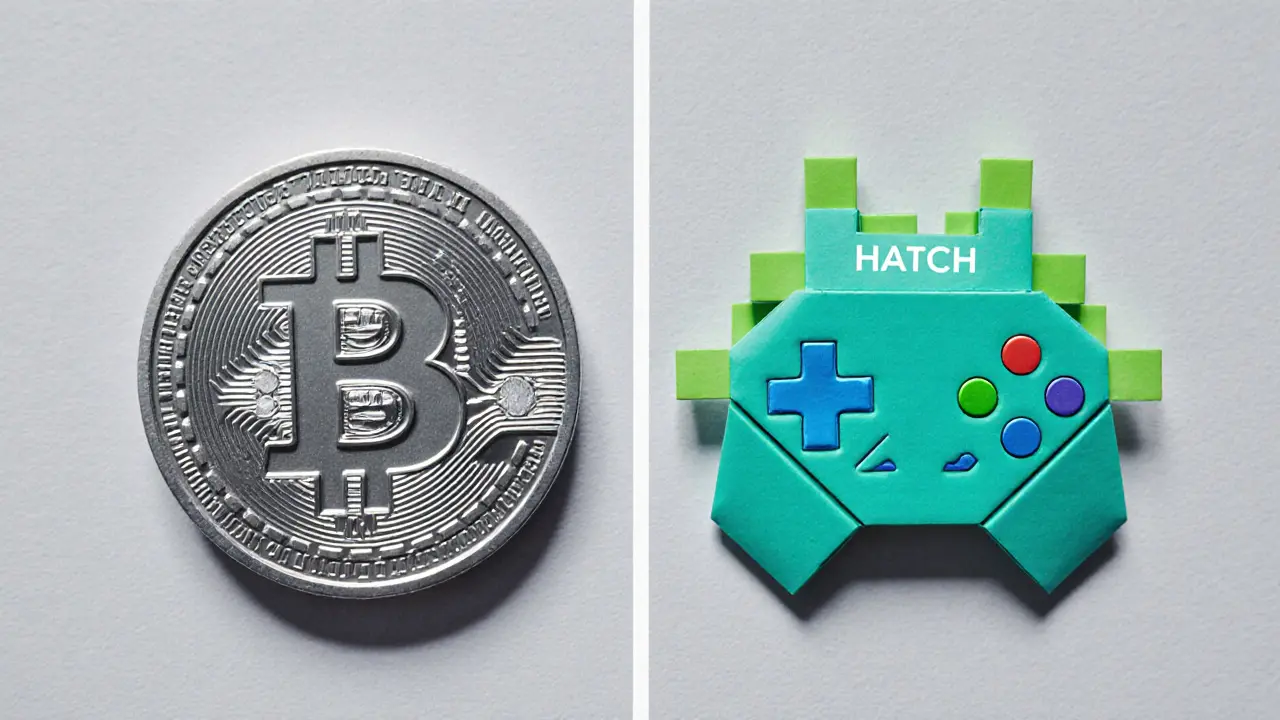
Understanding Hatch (HATCH) Crypto Coin: Two Projects, One Name
Learn the difference between the legacy Bitcoin‑based Hatch coin and the 2025 BNB‑Chain gaming token, their tech, tokenomics, risks, and how to acquire them.
View more
When working with cryptocurrency DAO, a Decentralized Autonomous Organization built on blockchain that lets token holders make collective decisions. Also known as crypto DAO, it blends finance, governance, and community incentives. The core DAO, a self‑executing organization governed by code and token‑based voting relies on smart contracts, immutable scripts that enforce rules without a central authority to manage its treasury and proposals. Members typically hold a governance token, a digital asset that grants voting power and can earn rewards, often distributed through airdrop campaigns, free token drops aimed at bootstrapping community participation. cryptocurrency DAO combines token ownership with community governance, DAO governance requires smart contracts to automate voting, and airdrops fuel token distribution and boost DAO participation. This mix of code, crypto, and collective decision‑making creates a new kind of internet‑scale organization that can run everything from DeFi protocols to social platforms.
In practice, a cryptocurrency DAO acts like a digital co‑op. Token holders propose changes, vote on budgets, and see results executed automatically. Because the rules are baked into smart contracts, there is no single point of failure and no need for a traditional board. This structure enables rapid innovation: a DeFi project can launch a new lending pool, a gaming guild can allocate funds for tournament prizes, and a social token community can fund marketing campaigns—all without paperwork. The governance token is the glue; its supply, distribution method, and voting weight determine how power is spread. A well‑designed tokenomics model rewards long‑term holders while still allowing newcomers to join via airdrops or liquidity mining. Airdrops themselves have become a strategic tool: they can jump‑start a DAO’s user base, align early adopters with the project’s goals, and generate buzz across social channels. However, they also bring risks such as sybil attacks or regulatory scrutiny, so projects must set clear eligibility criteria and use anti‑bot measures. Successful DAOs balance transparency, incentive alignment, and security, often borrowing best practices from traditional corporate governance—like quorum requirements and proposal reviews—while adding blockchain‑specific features like on‑chain voting snapshots and token‑based reputation systems.
The articles below pull together everything you need to navigate this space. You’ll find step‑by‑step airdrop guides that walk you through wallet setup and claim processes, deep dives into how social media drives token price swings, and practical checklists for evaluating DAO proposals. Whether you’re a beginner trying to claim your first governance token or an experienced investor looking for the next high‑potential DAO, the collection offers actionable insights, real‑world case studies, and tools to help you make informed decisions. Dive in and explore the full range of posts to level up your understanding of cryptocurrency DAOs.
Learn the difference between the legacy Bitcoin‑based Hatch coin and the 2025 BNB‑Chain gaming token, their tech, tokenomics, risks, and how to acquire them.
View more